How to sustainably clean the delicate surfaces in your home
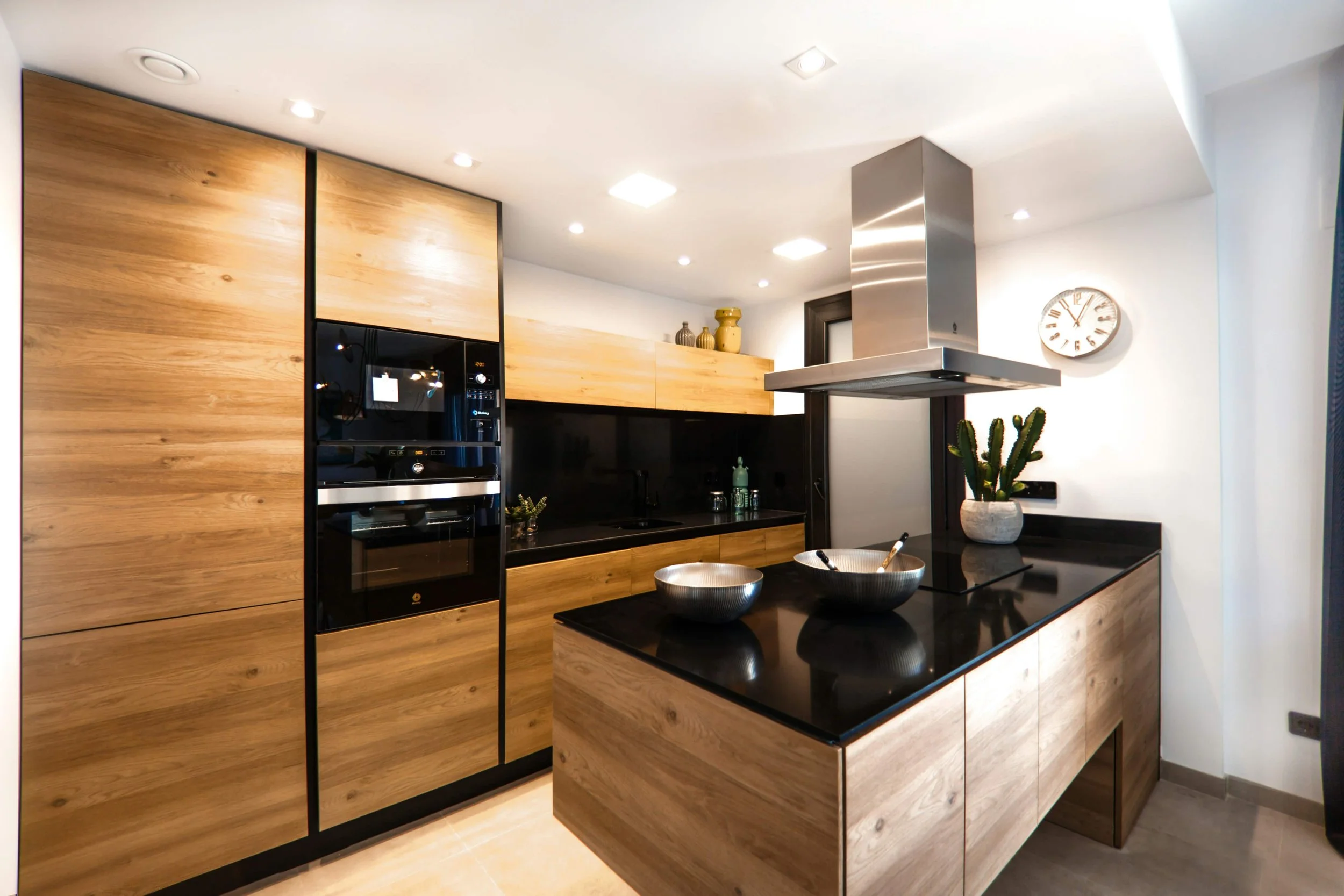
Photo by Frames For Your Heart on Unsplash
I am fully dedicated to protecting your investment
Drawing on my experience with cleaning chemistry and protective surface coatings, I’ve created this guide to help you sustainably care for your home—using methods that preserve your surfaces and protect our environment.
Some terms to know before reading further:
Abrasives: Coarse pads (Magic Eraser, steel wool) and scouring powders (Bar Keeper’s Friend, Comet)
Strong Acids: Products such as toilet bowl cleaner and drain cleaner.
Strong Alkalis: Products such as chlorine bleach and oven cleaner.
Solvents: Products such as nail polish remover and rubbing alcohol.
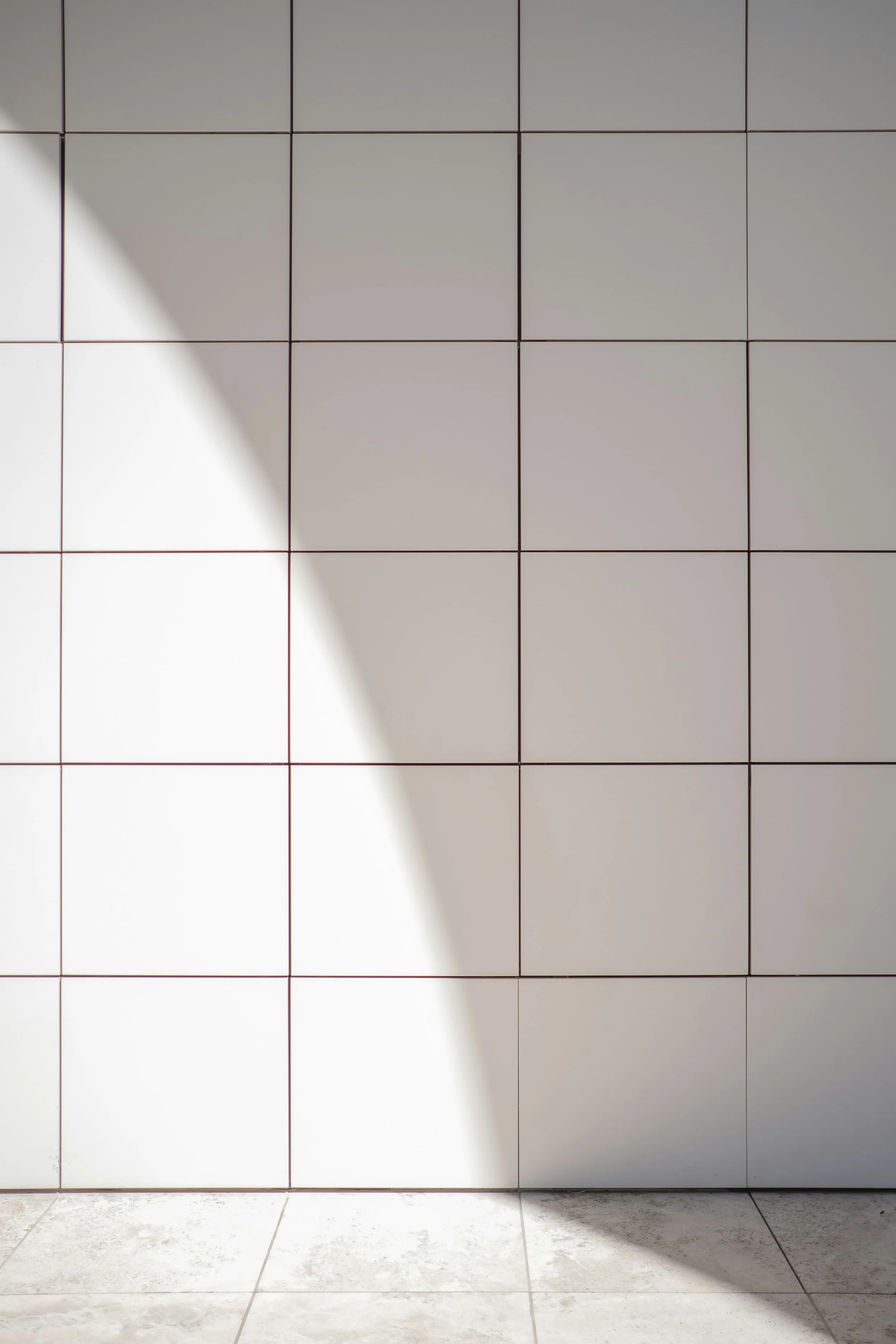
Backsplashes
Floors
Walls
Avoid:
Strong acids or strong alkalis—can erode and discolour the protective surface, as well as damage adjacent grout.
Wax/oil-based products—Can leave a sticky residue, which attracts dirt.
Safe alternatives:
For general cleaning: Plant-based detergents.
For scrubbing: Stiff-bristled natural fibre brush (coir (coconut husk), tampico, tawashi) .
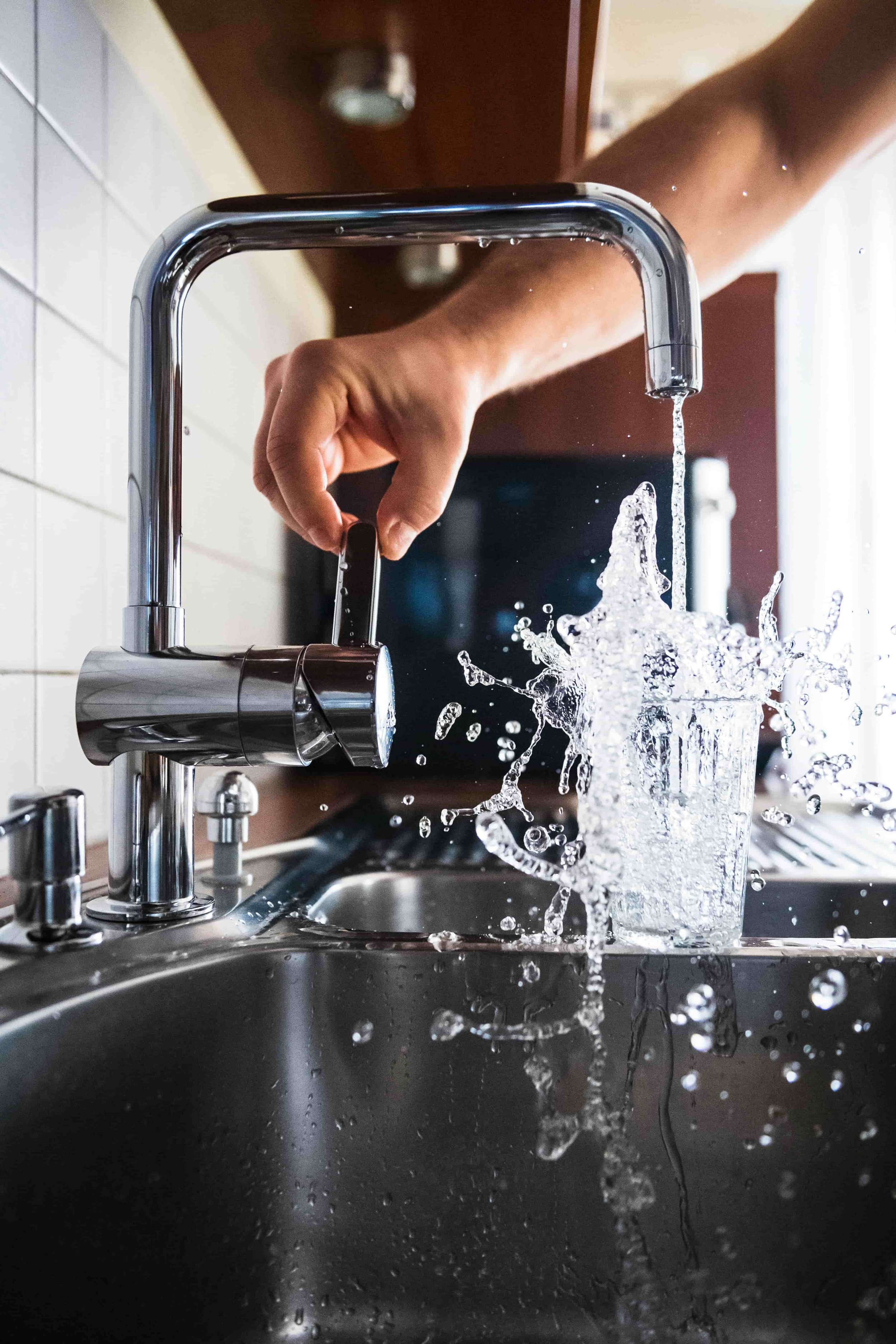
Appliances
Faucets
Shower heads
Avoid:
Abrasives—Can scratch and dull the finish, damage chrome beyond repair.
Strong acids or strong alkalis – Can cause corrosion or discolouration.
Safe alternatives:
For general cleaning: Plant-based detergents.
For soap scum: Equal parts vinegar and water (wiped off promptly).
For scrubbing: Tampico or coir brush.
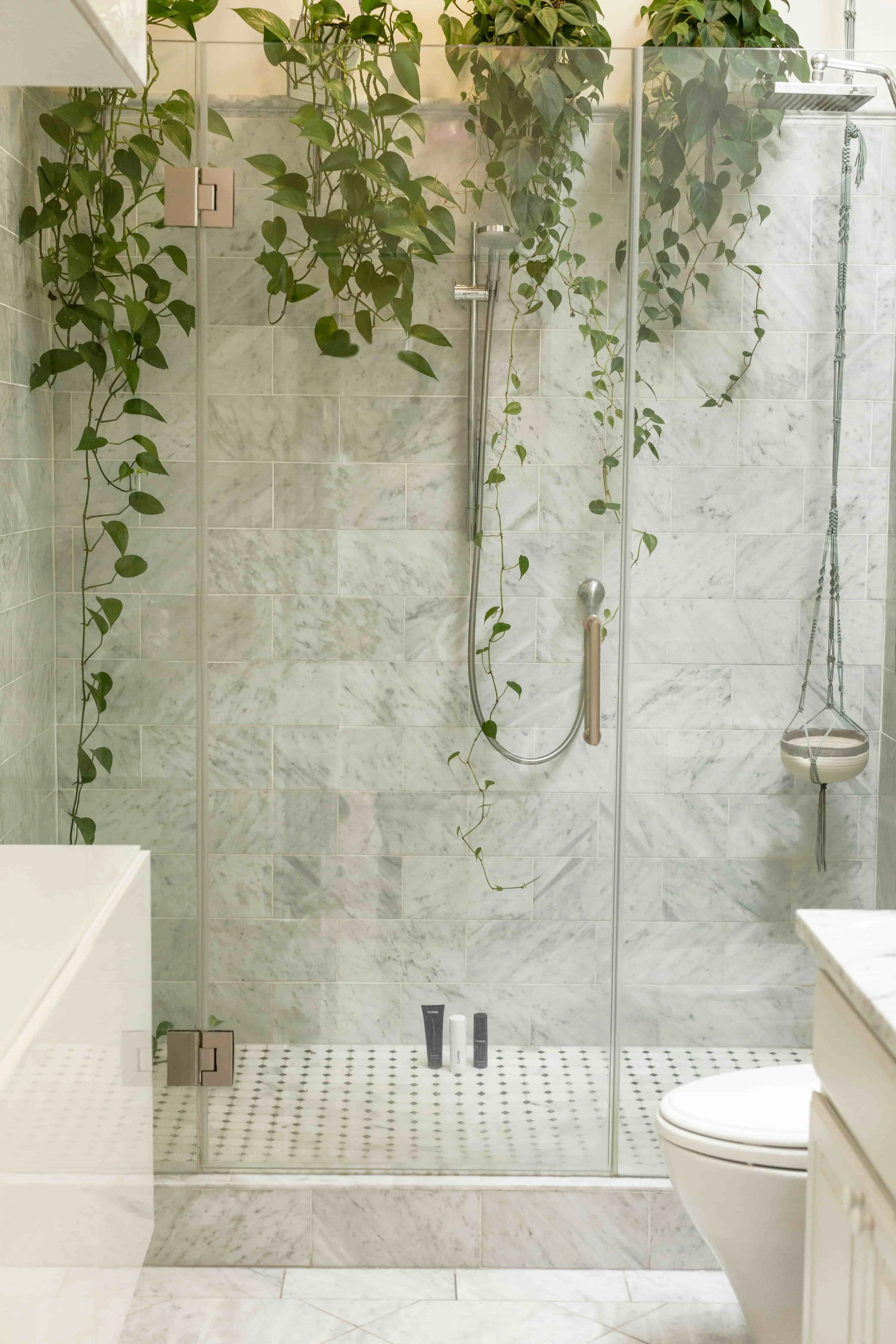
Balconies
Exterior windows
Showers
Avoid:
Abrasives—Can cause all sorts of problems including: scratching, dulling and peeling
Strong acids or strong alkalis—Can weaken, fade, or damage the tint film.
Solvents—Can dissolve the adhesive between the film and glass.
Steam Cleaning—Can cause the film to bubble or peel.
Safe alternatives:
For general cleaning: Mild soap and warm water.
For soap scum: Equal parts vinegar and water (wiped off promptly).
For scrubbing: Clean soft cloth.
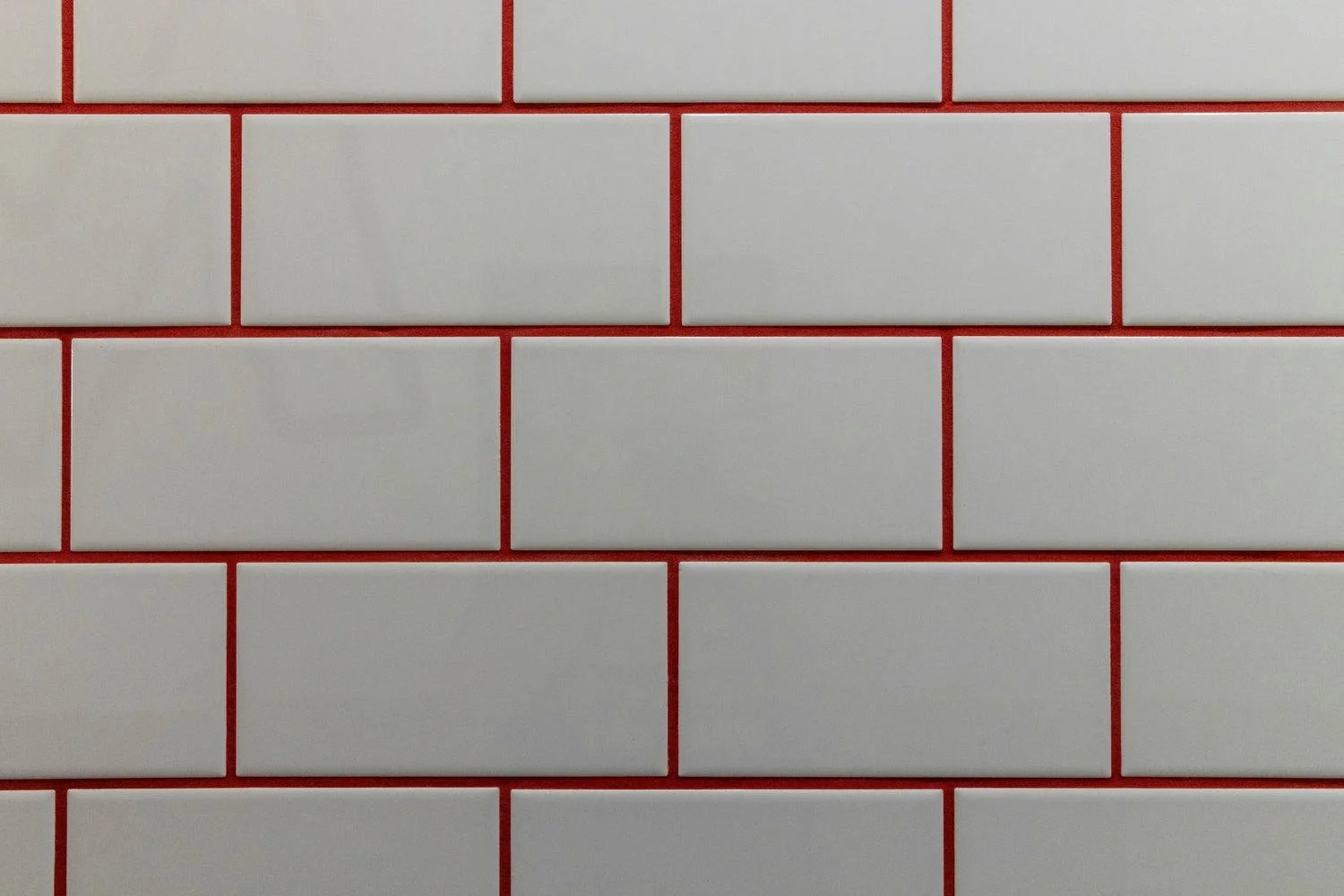
Floor tile
Kitchen backsplash
Shower tile
Avoid:
All acids—Can erode the grout and weaken its structure.
All alkalis—Can damage the grout sealer.
Safe alternatives:
For general cleaning: Mild soap and warm water.
For scrubbing: Baking soda and water paste, scrub with stiff-bristle natural fibre brush.
For brightening white grout: Baking soda and hydrogen peroxide paste.
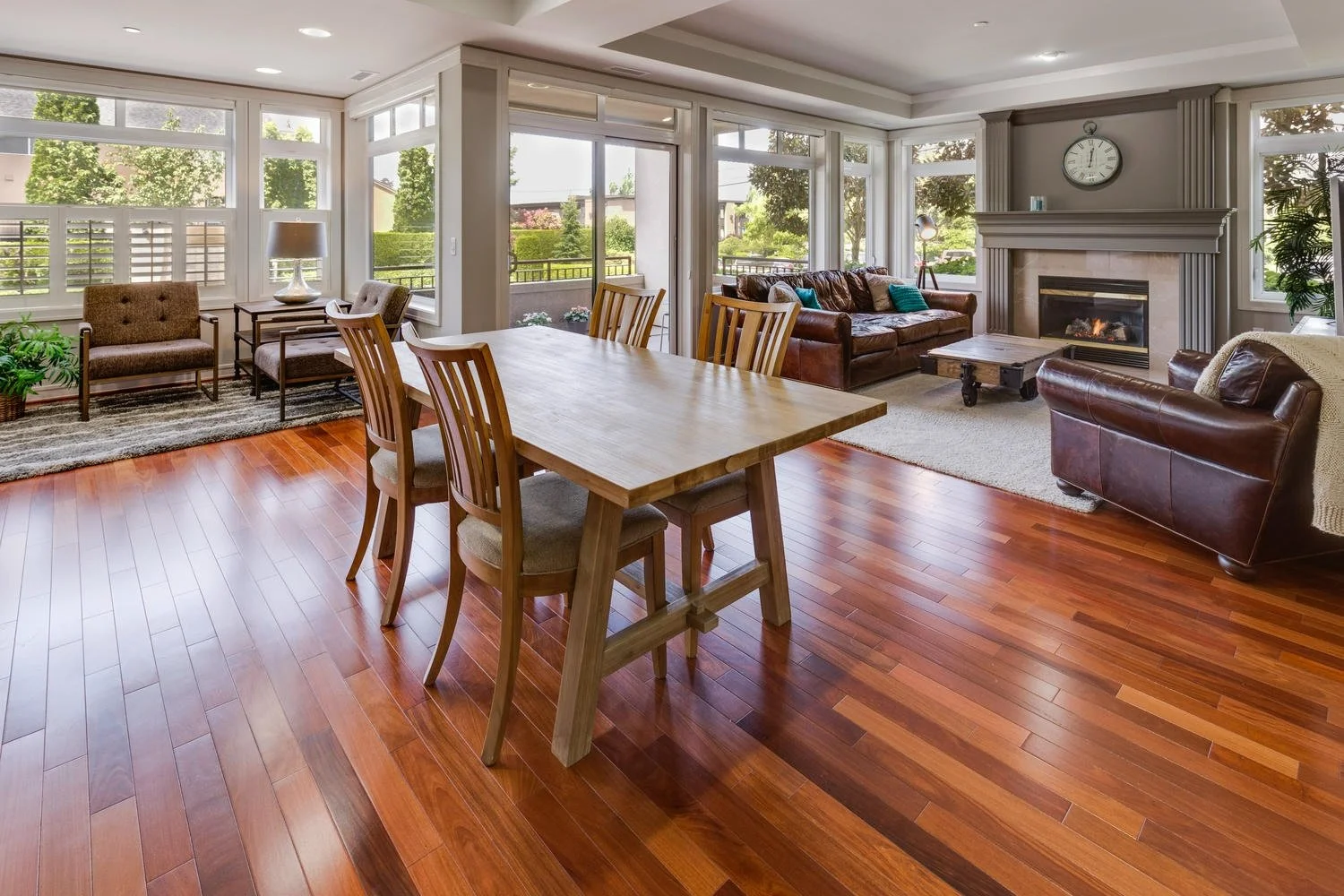
Polyurethane
Oil-finished
Wax-finished
Avoid:
Abrasives—Can dull and destroy the protective layer, leading to irreversible water damage.
All acids and alkalis—Both break down the protective finish
Steam or pooling water—Can ruin the finish and distort the wood
Safe alternative:
For general cleaning: pH neutral hardwood floor cleaner and barely damp mop
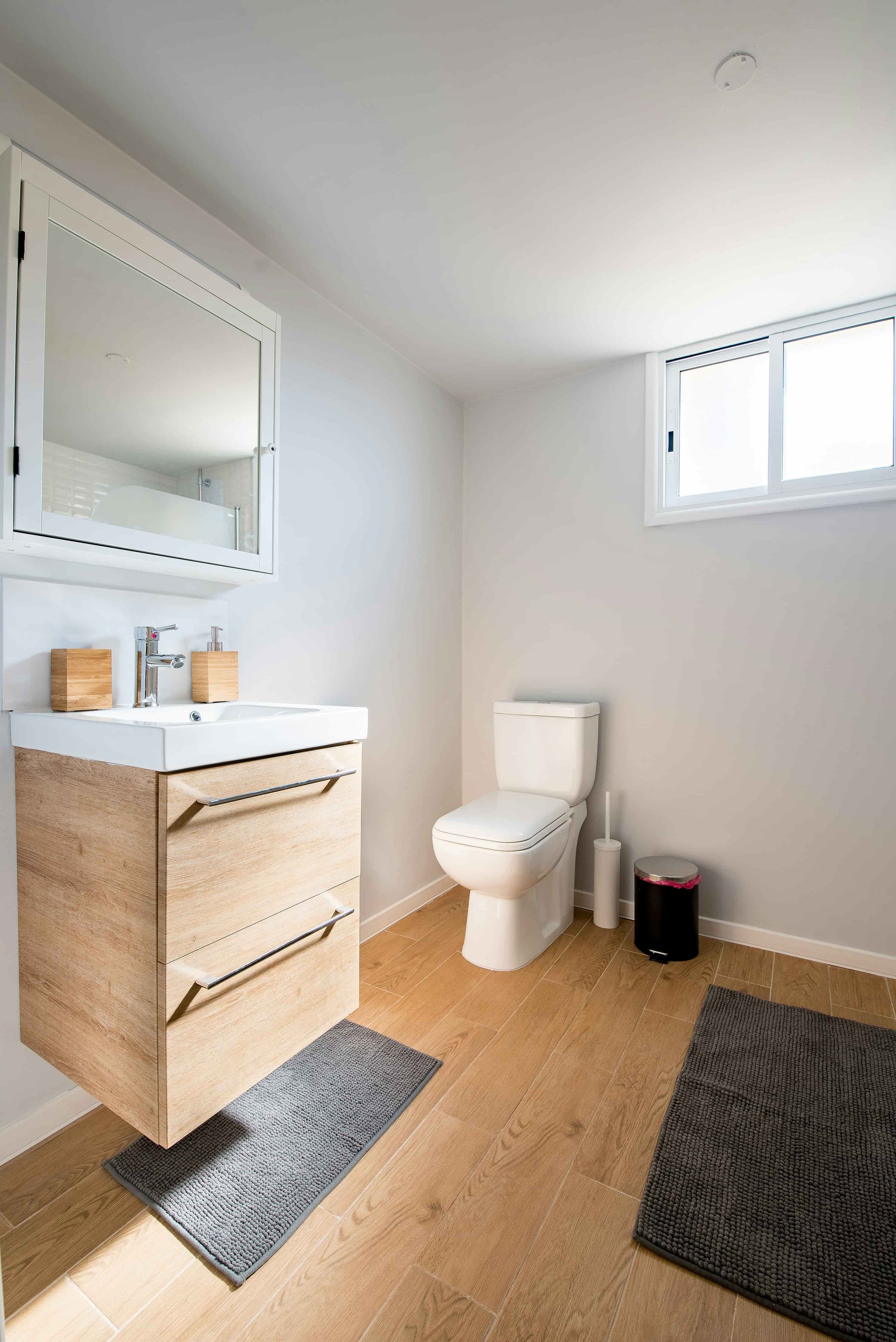
Countertops
Floors
Furniture
Avoid:
Abrasives—Can scratch and destroy the protective layer.
All acids and alkalis—Can weaken or damage the protective layer.
Excessive moisture / steam cleaning—Can force moisture into seams, causing warping over time.
Safe alternatives:
For general cleaning: pH-neutral cleaner.
For scrubbing: Clean soft cloth.
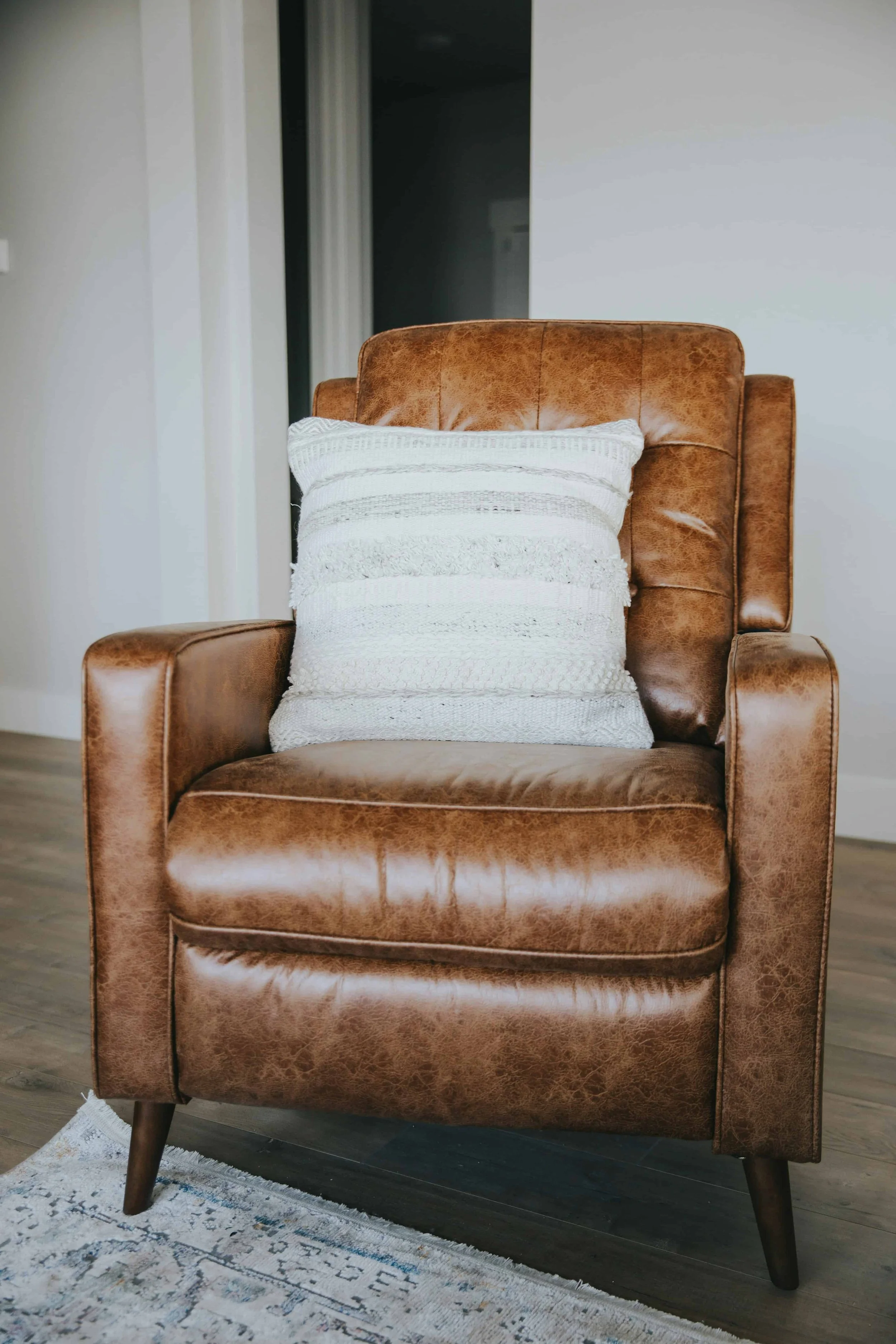
Accessories
Car seats
Furniture
Avoid:
Abrasives—Can scratch, strip, and dry out leather, leading to permanent damage.
All acids and alkalis—Can cause discolouration and cracking.
Solvents—Can dry out and damage the leather.
Excessive moisture—Can cause water spots and damage the texture.
Safe alternative:
For general cleaning: pH-neutral cleaner.
Always condition leather after cleaning to restore the protective oils that were removed.
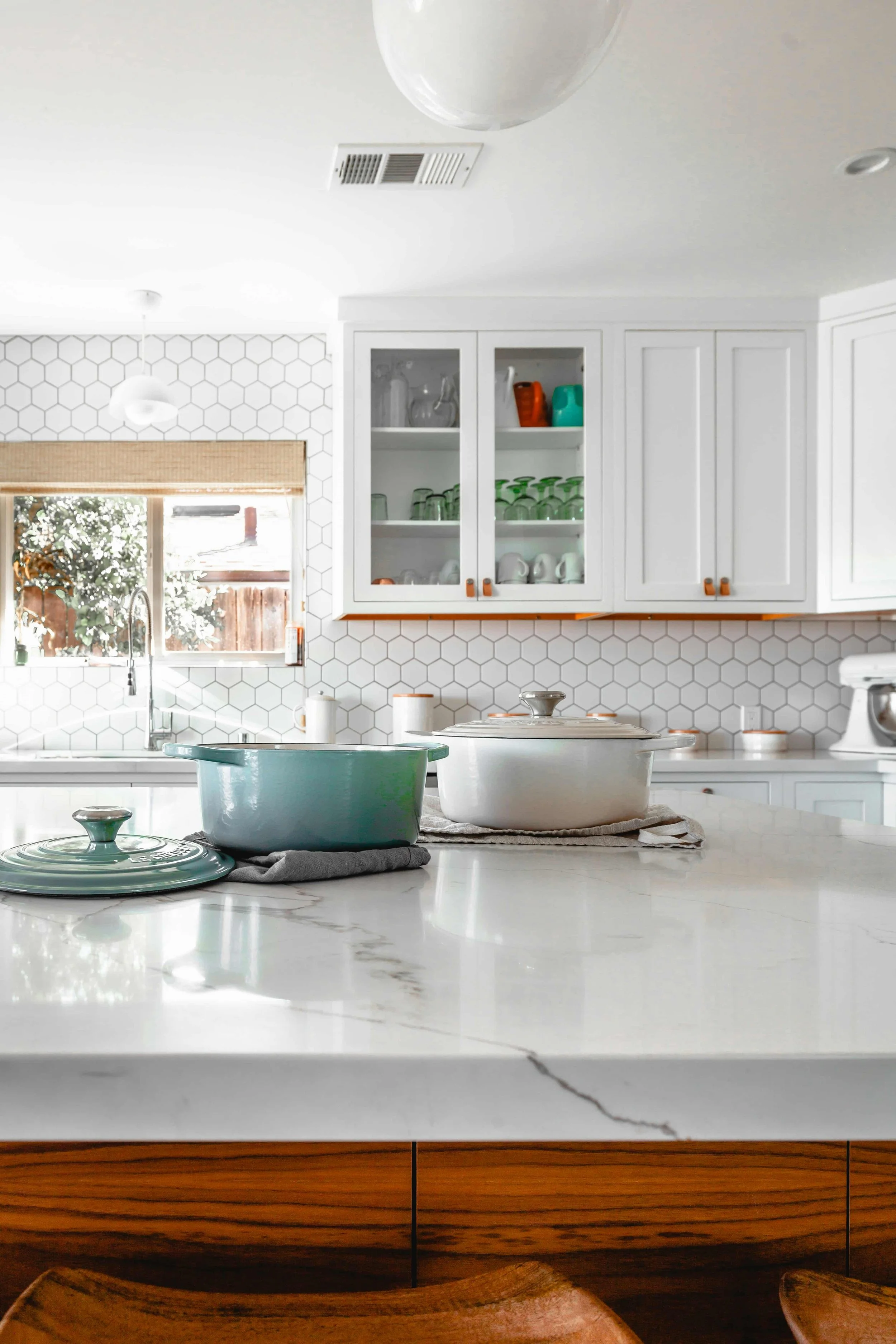
Countertops
Floors
Shower enclosures
Avoid:
Abrasives—Can dull and scratch the protective sealant, compromising the stone itself.
All acidic and alkaline cleaners—Can etch the stone and damage the finish.
Solvents—Can destroy the finish.
Safe alternative:
For general cleaning: pH-neutral stone cleaner.
Acrylic
Flat/Matte or High Gloss
Latex
Avoid:
Abrasives—Can create shiny spots on flat paints, dull spots on glossy paints, or strip the paint away entirely.
All acidic and alkaline cleaners—Can discolour the paint and destroy the finish.
Excessive water—Can cause the paint to peel (especially with matte finishes).
Safe alternative:
For general cleaning: Slightly damp soft cloth.
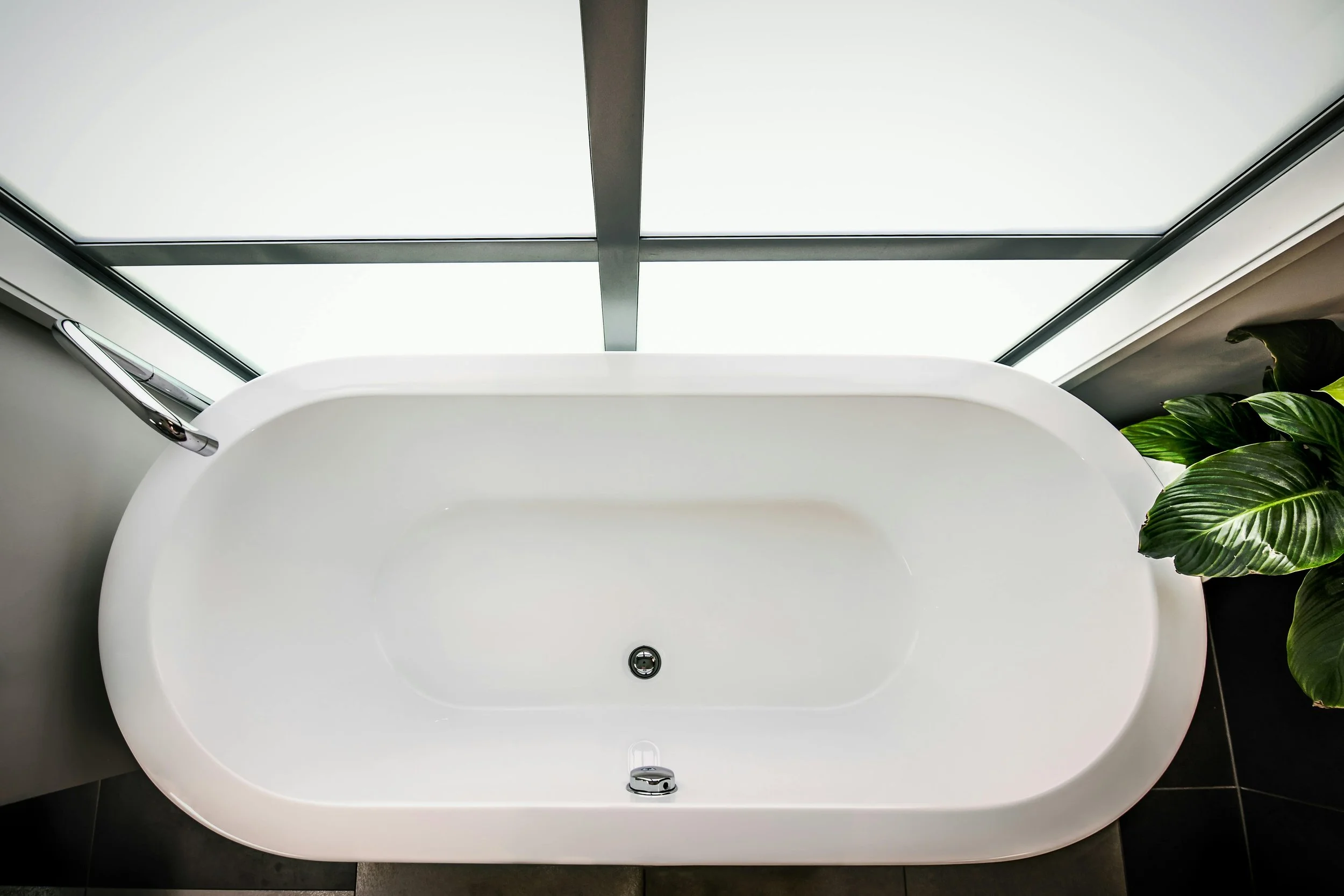
Sinks
Toilets
Tubs
Avoid:
Strong acids (on coloured porcelain)—Can damage the finish. Safe for use on white porcelain.
Strong alkalis—Long contact can yellow white porcelain over time.
Safe alternatives:
For general cleaning: Mild soap and warm water.
For stubborn stains: Soak in hydrogen peroxide.
For scrubbing: Baking soda or a stiff-bristled natural fibre brush
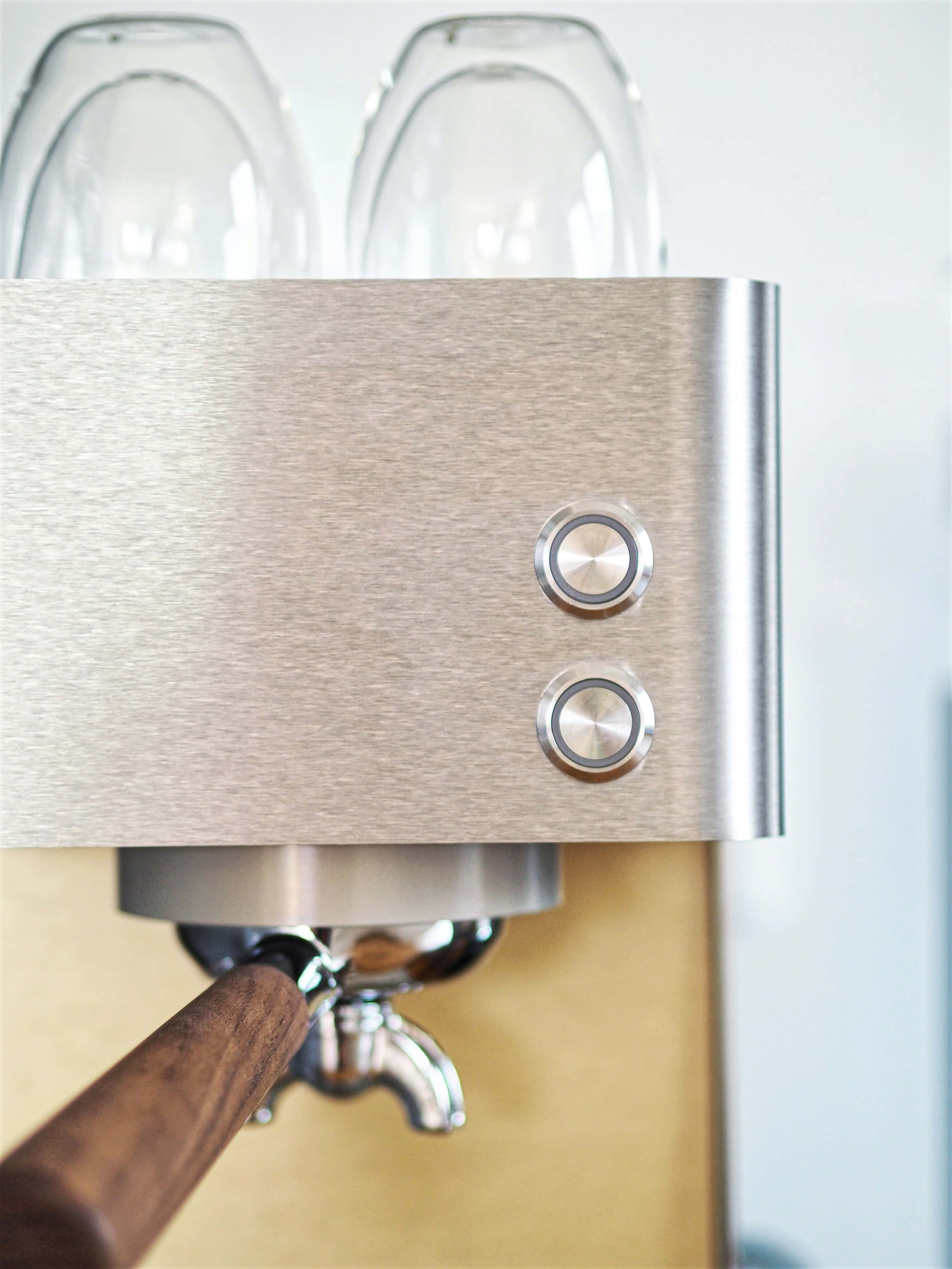
Appliances
Faucets
Sinks
Avoid:
Abrasives— Can dull, scratch, or destroy the protective surface leading to pitting and rusting.
Strong acids and strong alkalis – Can cause pitting and rusting.
Safe alternatives:
For general cleaning: Mild soap and warm water.
For water stains: Equal parts vinegar and water.
For scrubbing: Baking soda paste (always rub in the direction of the grain).
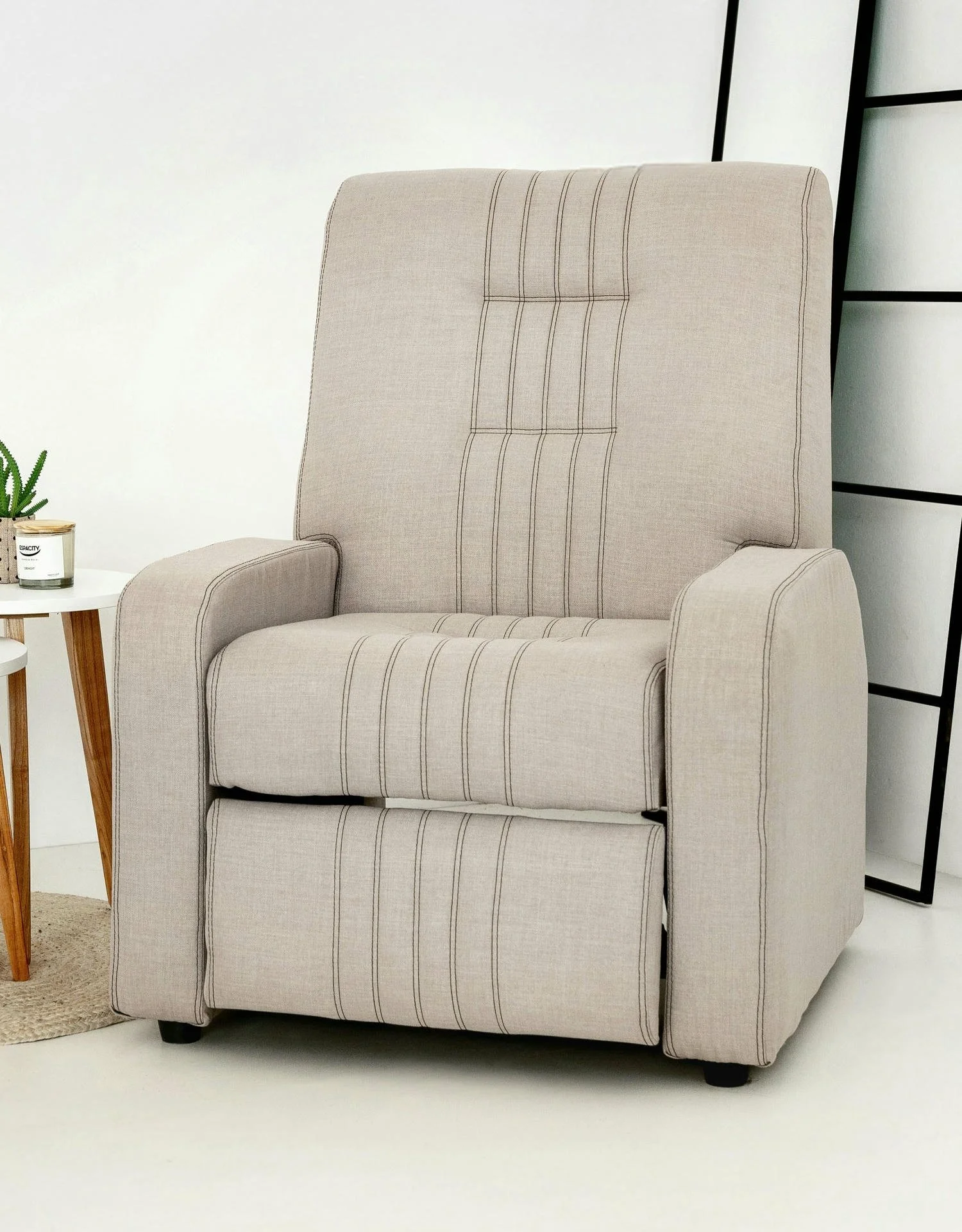
Drapes
Furniture
Lampshades
Avoid:
Abrasives—Can damage fabric and push stains deeper.
Strong acids and alkalis—Can discolour and weaken the fabric.
Solvents—Can dissolve fabric fibres and remove remove colour.
Excessive moisture—Can soak through and cause mould or mildew.
Safe alternative:
Check the furniture tag and follow manufacturer’s instructions for cleaning.
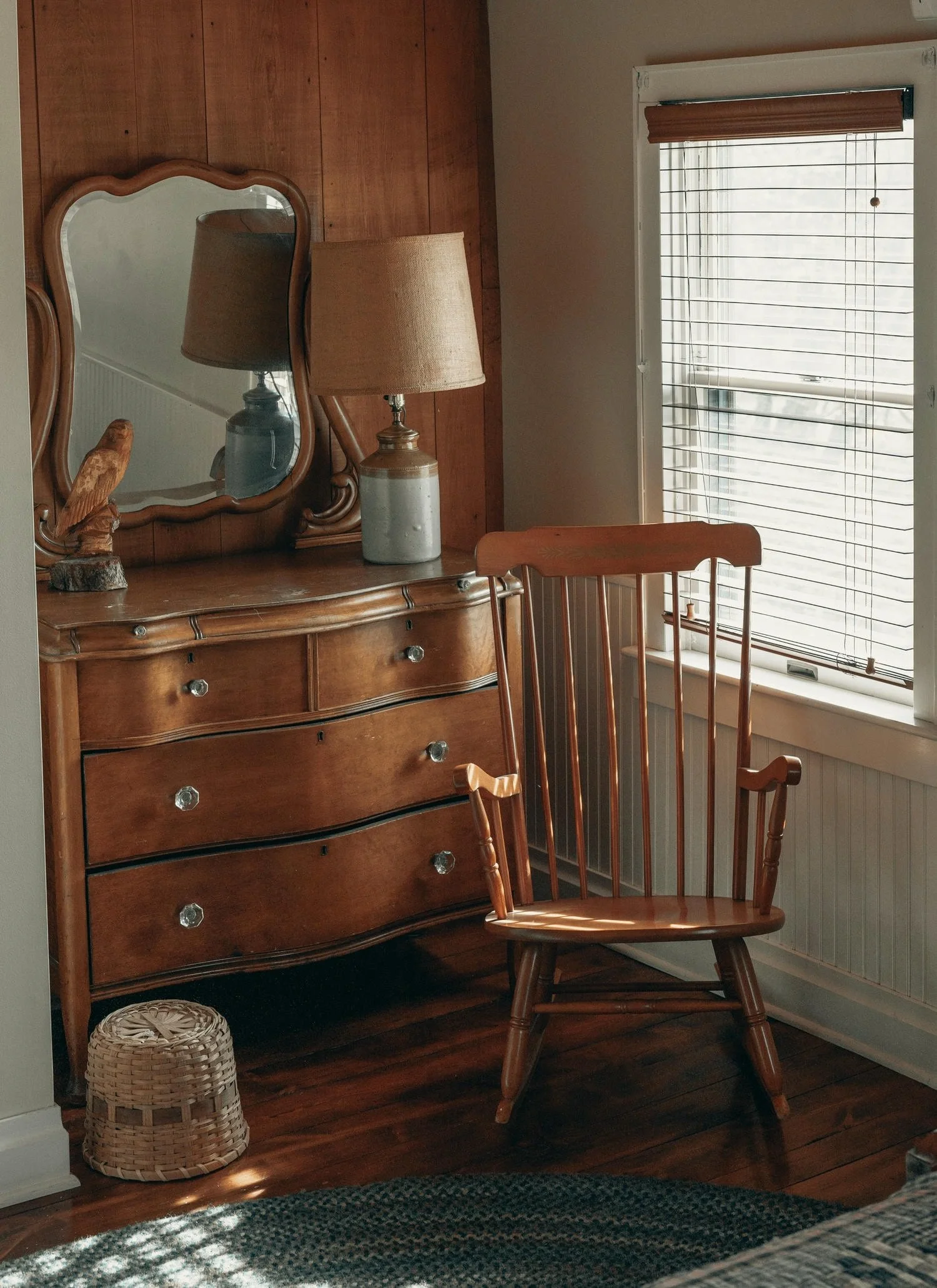
Decor
Furniture
Shelves
Avoid:
Excessive moisture – Can warp and damage wood.
All strong acidic or alkaline cleaners – Can dull the finish and cause long-term damage.
Safe alternatives:
For general cleaning: Dry soft cloth.
For deeper cleaning: Soft cloth lightly dampened with 1 part vinegar to 10 parts water
When in doubt, be gentle!
If you’re ever unsure of how to clean something, always start with the simplest solution—a soft cloth, dampened with good old-fashioned water!
Feel free to contact me anytime. I’m happy to share recommendations to help protect your investment.