

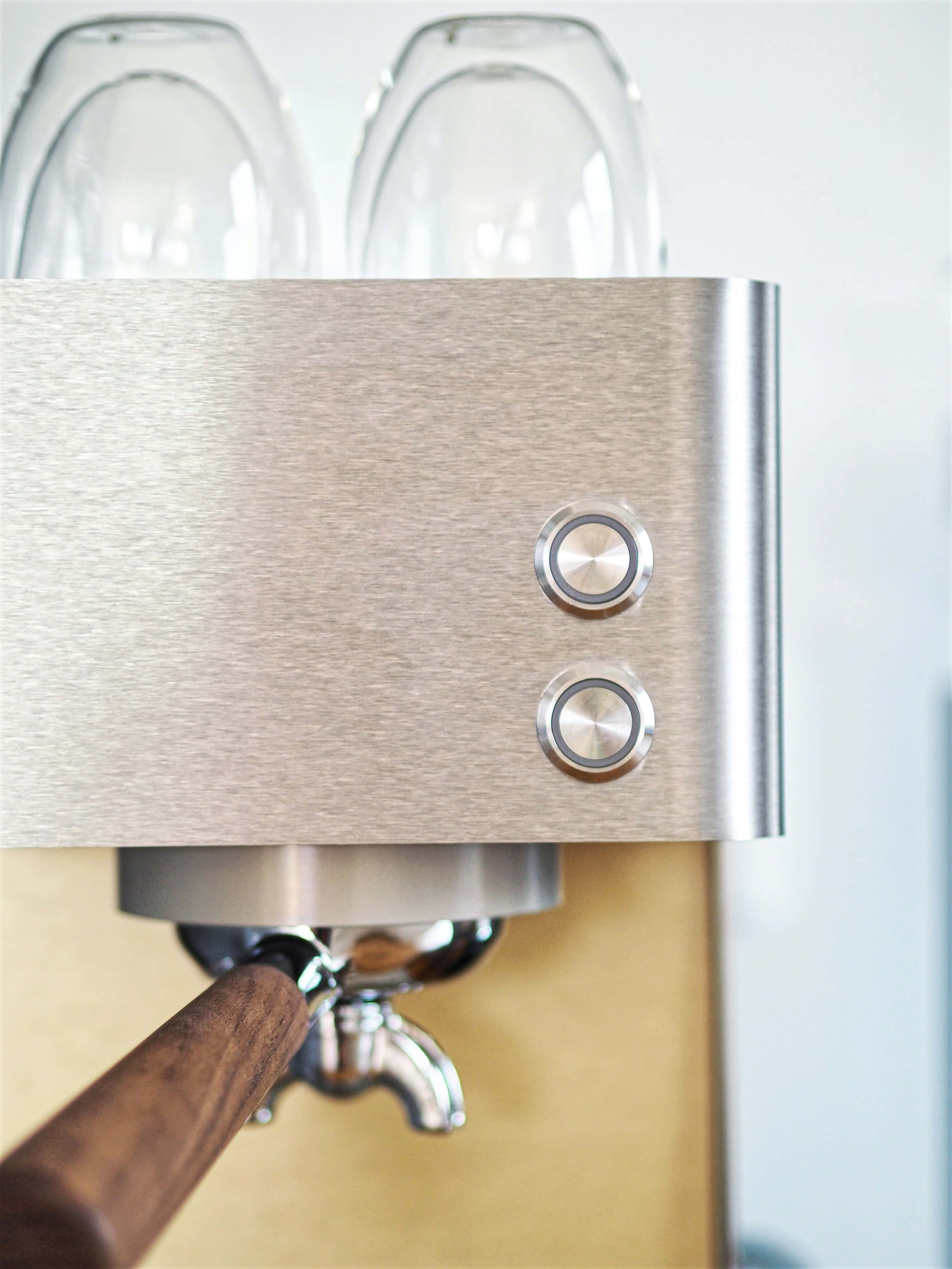
Stainless steel appliances—refrigerators, dishwashers, stoves, and sinks—give a home a clean, modern look. But stainless steel also shows fingerprints, smudges, and water spots instantly, and many commercial “stainless steel cleaners” leave residue that attracts even more streaks.
The good news? Shiny, streak-free stainless steel doesn’t require specialty sprays. It comes down to two essentials: wipe with the grain and dry immediately. The biggest mistakes homeowners make are using glass cleaner (which can leave cloudy streaks) or scrubbing against the grain, creating scratches that can’t be repaired.
Stainless steel is easy to maintain when you use gentle, eco-friendly methods. Here’s how to keep your stainless steel looking showroom-perfect using sustainable cleaning tools and products.
Eco-friendly stainless steel care at a glance
Safe:
Warm water
White vinegar
Mild, plant-based detergent
Baking soda
Not safe:
Bleach or chlorine cleaners
Steel wool, melamine foam, or metal scrub pads
Harsh abrasive powders
Ammonia-based cleaners
Sustainable tools:
Soft cotton cloths (old T-shirts, flannel squares, cotton flour-sack towels)
Bamboo or hemp cloths
Wood cellulose sponges
Walnut-shell or natural-fibre non-scratch scrubbers
Soft natural bristle brushes (for sink edges and drains)
Two rules that matter:
Always wipe with the grain.
Never let water air-dry.
What never to use on stainless steel
Stainless steel is protected by a thin layer of chromium oxide. Harsh chemicals and abrasives damage this layer, leading to pitting, rust spots, and permanent discolouration.
Chlorine and chloride-based products
Bleach
Chlorine sprays
Cleaners containing chlorides
These cause:
Pitting (tiny craters)
Dark spots
Permanent corrosion
Abrasive cleaners and tools
Steel wool
Metal scrub pads
Harsh abrasive powders
Melamine foam (Magic Erasers)
These:
Scratch the brushed finish
Remove the protective layer
Metal scrubbers leave embedded metal particles that rust
Remove texture from brushed steel, creating shiny spots
Harsh chemical cleaners
Bleach
Ammonia-based sprays (including Windex)
Oven cleaners
Degreasers containing harsh solvents
These leave streaks, strip the finish, and degrade the protective layer over time.
Application mistakes that cause problems
Letting water or cleaner air-dry
This causes:
White water spots
Streaks from dried residue
A dull, cloudy finish
Scrubbing against the grain
This leads to:
Visible scratches
Finish distortion
Permanent texture damage
Always identify the grain first, then wipe in the same direction.
Understanding the grain
Stainless steel has a brushed finish made of tiny parallel lines—this is the grain. Treat it like wood grain: wiping with it keeps the finish beautiful, wiping against it creates scratches.
On most appliances:
Fridge doors: grain is vertical
Dishwashers: vertical
Stoves: horizontal
Be sure to check your individual appliances before cleaning, as there are exceptions to this.
Safe, effective stainless steel cleaning
Daily maintenance: Warm water + soft cloth
Use:
A clean, soft cloth dampened with warm water
A second dry cloth for finishing
Steps:
Dampen cloth with warm water and wring it well.
Wipe with the grain.
Immediately dry with a clean, soft cloth.
Lightly buff for shine.
For stubborn smudges and grease: Plant-based detergent
Use:
A solution of correctly diluted plant-based detergent
A clean, soft cloth
Steps:
Clean with the grain.
Wipe again with a cloth dampened with plain water.
Dry immediately.
Detergent residue attracts fingerprints and dirt, so rinsing is essential.
Why it works:
Removes fingerprints and smudges
Leaves no residue
Prevents water spotting
For water spot removal: White vinegar
Use:
A 1-part white vinegar to 1-part water solution
Spray bottle or cloth
Clean, soft cloth
Steps:
Spray lightly or apply vinegar on a damp cloth.
Wipe with the grain.
Dry and buff with a clean cloth.
Heavy buildup may require multiple applications, or a pH-balanced eco-friendly stainless steel cleaner that can be sprayed directly on the surface.
Prevention:
Keep a clean towel handy to wipe stainless steel surfaces dry after use.
For tough stains and stuck-on food: Baking soda paste
Use:
Baking soda + water
A clean cloth or natural-fibre scrubber
Steps:
Mix paste and apply to stain.
Gently rub with the grain using minimal pressure.
Rinse well.
Dry immediately.
Baking soda is mildly abrasive—use it sparingly and gently.
Common stainless steel problems
Scratches
Light scratches blend over time with proper cleaning.
Deep scratches require professional refinishing.
Prevention:
Use clean, soft cloths only. Dirty cloths may have dirt embedded in their fibres that could scratch the stainless steel when used.
Never scrub against the grain.
Rust spots
Caused by:
Steel wool particles
Other metal objects left wet on surfaces
Old plumbing shedding rust
Fix:
Apply baking soda paste
Gently rub with the grain
Rinse and dry
Prevention:
Don’t store cast iron or metal tools on stainless steel
Heat discolouration (rainbow staining)
Caused by overheated cookware or extreme heat.
Fix:
Vinegar sometimes removes light discolouration.
Deep heat stains are often permanent.
Stainless steel appliances vs. sinks
Appliance fronts
Challenges:
Fingerprints
Water drips
Food splatter near stove
Best approach:
Daily water wipe + dry
Weekly vinegar cleaning
Stainless steel sinks
Challenges:
Constant water exposure
Hard water deposits
Scratches from cookware
Best approach:
Rinse and dry after use
Clean daily with dish soap or detergent
Clean weekly a light baking soda scrub
Special consideration: Sink bottoms often have a different grain pattern than the sides. Identify and follow the grain in each area.
Protection tip: Use sink grids or mats to prevent pots and pans from scratching the sink bottom.
Common questions about stainless steel care
-
Because water or cleaner is air-drying on the surface. Use warm water, wipe with the grain, and dry immediately.
-
No. Water, diluted vinegar, and plant-based detergents work beautifully.
-
Warm water + soft cloth + immediate drying.
-
Look for faint parallel lines. Wipe in the same direction.
When to call a professional
Consider professional help if:
You see deep scratches
There is chemical damage
Heat staining won’t budge
You have high-end, custom, or commercial stainless steel
Natural, professional stainless steel cleaning in Toronto
I clean stainless steel appliances and sinks using eco-friendly, residue-free techniques that respect the grain and preserve the finish. My approach focuses on gentle, sustainable cleaning—not harsh chemicals or gimmicky products.
Want stainless steel that’s actually stain-less?