

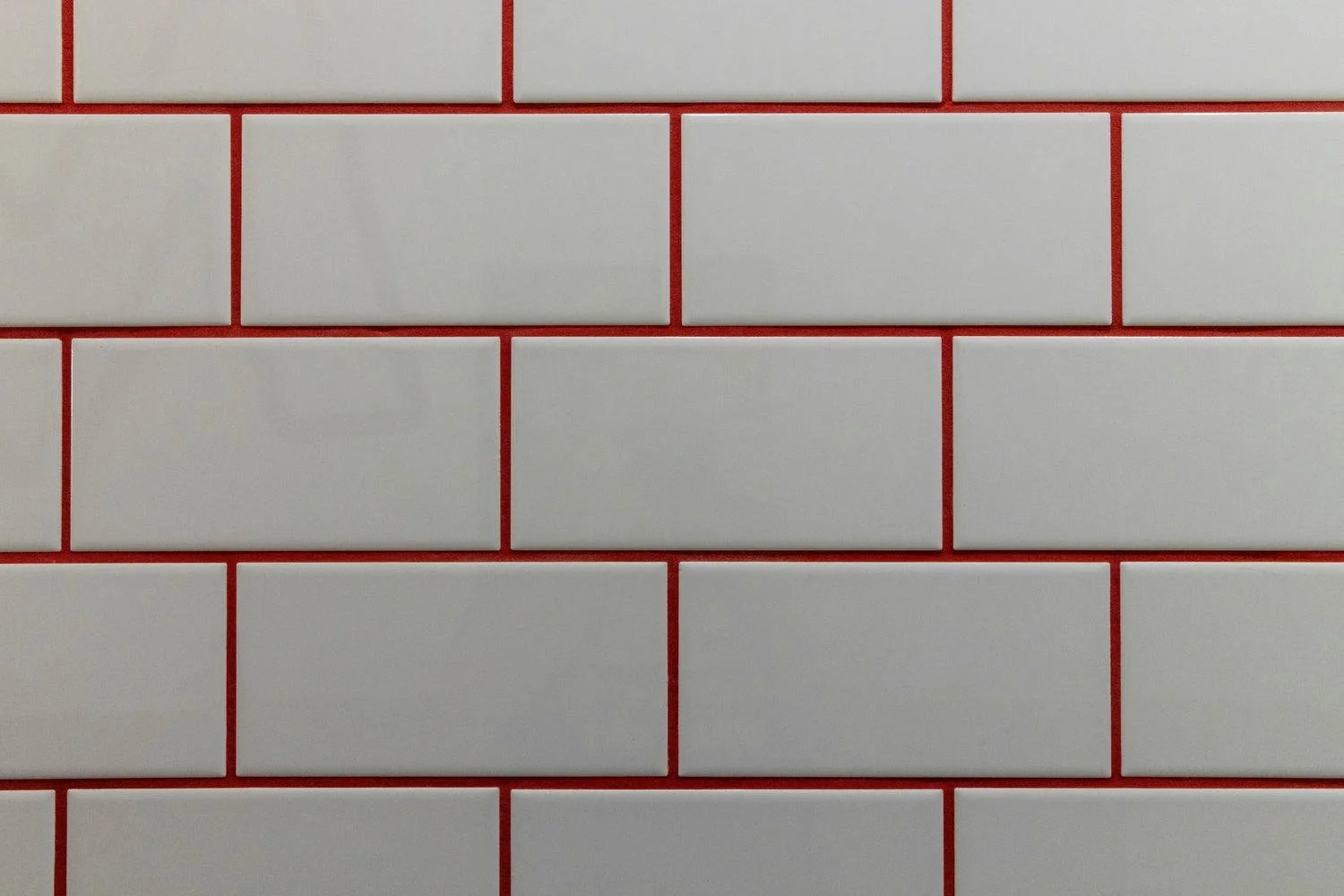
How to sustainably care for grout: Complete cleaning, sealing & maintenance guide
Photo by Mick Haupt on Unsplash
Grout is the hardest-working, most overlooked surface in your home. It holds your tile in place, prevents water intrusion, and takes constant abuse from foot traffic, moisture, and cleaning products. Yet most people don't think about grout until it's stained, crumbling, or growing mould.
Here's what I've learned over the years: grout care isn't complicated, but it is specific. Unlike tile (which is hard, glazed, and non-porous), grout is soft, porous, and vulnerable. It needs different products, different techniques, and—most importantly—regular sealing.
This guide covers everything you need to know about caring for grout in your home: how to clean it safely, when and how to seal it, how to prevent common problems, and when it's time to call for help.
Eco-friendly grout care at a glance
Safe:
Baking soda
Hydrogen peroxide (white grout only)
pH-neutral cleaners
Steam cleaning (on sealed grout)
Soft-bristle natural-fibre brushes
Not safe:
Acidic cleaners (vinegar, lemon juice)
Bleach
Abrasive powders
Metal brushes or steel wool
Oil-based cleaners
Ammonia-based products
Key principle: Grout is porous and fragile—seal it, clean it gently, and keep it dry.
Toronto tip: Hard water and high humidity are grout's worst enemies here. Squeegee shower walls after every use, and run your bathroom fan during and for 20 minutes after showering.
Understanding grout: why it's different from tile
Before we get into cleaning and maintenance, you need to understand what grout actually is—and why it requires special care.
Tile vs. grout: the crucial difference
Tile is:
Hard and durable
Glazed (sealed surface)
Non-porous
Stain-resistant
Easy to clean
Grout is:
Soft and porous
Unglazed (unless you seal it)
Absorbs liquids, oils, and stains
Prone to discolouration
Susceptible to mould and mildew
Vulnerable to chemical damage
Think of tile as the tough exterior walls of a fortress, and grout as the mortar between the stones—essential for structural integrity, but far more vulnerable to the elements.
Why grout gets dirty (and tile doesn't)
When you mop a tiled floor, the dirt, oils, and cleaning residue flow across the smooth tile surface and settle into the grout lines. Over time, grout acts like a sponge, absorbing:
Dirt and soil tracked in from outside
Oils from cooking and skin
Soap scum in bathrooms
Minerals from hard water
Cleaning product residue
Moisture that encourages mould growth
This is why your tile can look clean while your grout looks grey or brown—it's literally absorbing everything the tile repels.
The three types of grout in your home
1. Cement-based grout (most common)
Made from cement, sand, and water
Porous and absorbent
Requires sealing
Found in most residential tile installations
Available in sanded (wide joints) and unsanded (narrow joints) varieties
2. Epoxy grout
Non-porous and stain-resistant
Doesn't require sealing
More expensive
Harder to install
Less common in residential homes
Excellent for high-moisture areas
3. Furan grout
Industrial-strength
Highly chemical-resistant
Rare in residential applications
Requires professional installation
Most Toronto homes have cement-based grout, which is what this guide focuses on. If you're unsure what type you have, assume it's cement-based—which means it needs sealing and gentle care.
How to clean grout safely and effectively
Grout cleaning is about patience, not power. Harsh chemicals and aggressive scrubbing damage grout's structure and protective seal, creating more problems than they solve.
Routine grout cleaning (weekly for high-traffic areas)
This should be part of your regular floor or tile cleaning routine.
What you need:
Baking soda
Warm water
Spray bottle
Soft-bristle natural-fibre brush
Clean cloths
The process:
Sweep or vacuum first to remove loose dirt and grit.
1. Mix your cleaning paste:
Combine baking soda with just enough water to form a spreadable paste
Consistency should be like toothpaste
2. Apply to grout lines:
Use your finger, a spatula, or a brush to spread paste along grout lines
Don't worry about getting it on the tile—it won't hurt anything
3. Let it sit:
Wait 10–15 minutes for the baking soda to break down dirt and oils
Don't let it dry completely; mist with water if needed
4. Scrub gently:
Use a soft-bristle brush in circular motions
Apply steady pressure, but don't scrub aggressively
Work in small sections (3–4 feet at a time)
5. Rinse thoroughly:
Wipe with a damp cloth or mop with clean water
Remove all baking soda residue
6. Dry completely:
Use a clean, dry towel
Allowing grout to air-dry can leave water spots or mineral deposits
Why this works: Baking soda is mildly alkaline, which breaks down oils and dirt without the harsh chemicals that damage grout sealers. It's gentle enough for regular use.
Deep cleaning for stained grout
For grout that's heavily soiled, discoloured, or hasn't been cleaned in a while, you need something stronger than basic baking soda.
For white grout only: hydrogen peroxide method
Hydrogen peroxide is a safe, effective cleaner for white grout—but it can lighten coloured grout, so never use this method on anything other than white.
What you need:
3% hydrogen peroxide (the standard drugstore concentration)
Baking soda
Spray bottle or small bowl
Soft-bristle brush
Clean cloths
The process:
1. Make your cleaning paste:
Mix baking soda with hydrogen peroxide
Create a thick, spreadable paste
2. Apply to grout lines
3. Let it sit:
Wait 10–15 minutes
You may see slight fizzing—this is normal
4. Scrub gently:
Use your soft-bristle brush in small circular motions
Work in 3-foot sections
5. Rinse thoroughly:
Use a damp cloth or clean mop water
Make sure all residue is removed
6. Dry completely:
Don't skip this step—moisture is grout's enemy
How often: Use this deep-cleaning method once every 1–3 months for white grout in high-traffic or high-moisture areas. Don't overdo it—hydrogen peroxide is gentle, but frequent use can still degrade sealers over time.
For all grout colours: steam cleaning
Steam cleaning is one of the most effective, chemical-free methods for deep-cleaning grout—and it's safe for both white and coloured grout.
Benefits of steam cleaning:
No chemicals required
Kills mould and bacteria
Effective on soap scum and mineral deposits
Safe for sealed grout
Ideal for bathroom tile
Requirements:
Grout must be sealed (steam can damage unsealed grout by forcing water into the porous surface)
You need a proper steam cleaner (not just a steamer for clothes)
Best for floors and vertical surfaces that can handle moisture
If you don't own a steam cleaner: Many hardware stores and grocery stores in Toronto rent them. This can be more cost-effective than buying one if you only need it occasionally.
Important: Test steam cleaning in an inconspicuous area first, especially if you're unsure whether your grout is sealed.
What about commercial grout cleaners?
I avoid most commercial grout cleaners because they contain harsh chemicals (acids, bleach, or ammonia) that damage grout sealers and can be harmful to breathe or touch.
If you choose to use a commercial product:
Look for pH-neutral formulas
Avoid anything containing acid, bleach, or ammonia
Check for eco-certifications (EcoLogo, Green Seal)
Always test in an inconspicuous area first
Wear gloves and ensure good ventilation
Follow contact time and dilution instructions exactly
My recommendation: Stick with baking soda, hydrogen peroxide (for white grout), and steam. They work, they're safe, and they won't damage your grout or sealers.
Grout sealing: the most important thing you can do
If you do nothing else from this guide, seal your grout. Sealing is the single most effective way to protect grout from stains, moisture damage, and mould growth.
Why sealing matters
Unsealed grout is like a sponge—it absorbs everything that touches it:
Water (leading to mould and mildew)
Oils (causing dark stains)
Dirt and grime (creating that grey, dingy look)
Acidic liquids (structurally weakening the grout)
A proper sealer creates an invisible barrier that:
Repels water and oils
Prevents stains from penetrating
Makes cleaning dramatically easier
Extends grout lifespan by years
Reduces mould and mildew growth
How to test if your grout is sealed
Drop a few drops of water on a grout line and watch what happens:
If water beads up on the surface: Your grout is sealed and protected. Check again in 6–12 months.
If water soaks in or darkens the grout: Your grout is unsealed or the sealer has worn off. Time to reseal.
Do this test in multiple locations—high-traffic areas may need resealing more often than low-traffic areas.
When to seal grout
New installations:
Wait 48–72 hours after installation (follow your installer's recommendation)
Some installers include sealing in their service; many don't
Always verify whether sealing was done / is necessary
Existing grout:
Immediately if it's never been sealed
Every 1–3 years depending on use and location
More frequently in showers, entryways, and kitchen floors
After deep cleaning (sealer works best on clean grout)
Signs your grout needs resealing:
Water soaks in instead of beading up
Grout darkens when wet
Stains appear easily and won't clean off
Grout looks darker or discoloured
Mould keeps returning despite cleaning
Types of grout sealers
Penetrating sealers (impregnating sealers):
Absorb into grout and create an invisible barrier
Don't change grout's appearance
Allow grout to "breathe" (moisture can escape)
Best for most residential applications
Require reapplication every 1–3 years
Topical sealers (membrane-forming sealers):
Create a coating on the grout surface
Can make grout look shiny or slightly darker
Don't allow moisture to escape
More durable than penetrating sealers
Can trap moisture under the surface if not applied properly
Often used in commercial settings
For most Toronto homes, I recommend penetrating sealers. They're more forgiving, allow moisture to escape (important in our humid summers), and don't change grout's appearance.
How to seal grout (DIY method)
Sealing grout is a straightforward DIY project if your grout is in good condition.
What you need:
Grout sealer (penetrating type for most homes)
Small foam brush or applicator (often included with sealer)
Clean cloths
Painter's tape (optional, for precision)
Adequate ventilation
Before you begin:
Clean grout thoroughly and let dry completely (24–48 hours)
Ensure grout is in good repair (no cracks or missing sections)
Choose a time when you can keep the area dry for 24–72 hours
Read manufacturer's instructions completely
The process:
Protect surrounding areas:
Open windows for ventilation
Tape off edges if needed for precision
Apply sealer to grout lines:
Use the appropriate personal protective equipment (PPE), as instructed by the product manufacturer
Use foam brush or applicator to apply sealer directly to grout
Work in 3-foot sections
Be generous—you want the sealer to penetrate, not just coat the surface
Let it penetrate:
Wait the time specified on your product (typically 5–15 minutes)
Watch for the sealer to soak in
Wipe excess:
Before the sealer dries, wipe any excess off the tile surface
Use a clean, dry cloth
This prevents hazy residue on tile
Apply second coat (if recommended):
Many sealers require 2–3 coats for full protection
Wait the specified time between coats (usually 30 minutes to 2 hours)
Repeat the application and wiping process
Let cure:
Keep the area completely dry for 24–72 hours (follow product instructions)
Don't walk on sealed floors or use sealed showers during this time
Ensure good ventilation during curing
Test the seal:
After curing time, test with water drops
Water should bead up on the surface
If it soaks in, apply another coat
How often to reseal:
High-moisture areas (showers): every 6–12 months
Kitchen floors: every 1–2 years
Low-traffic areas: every 2–3 years
After deep cleaning or grout repair
When to hire a professional for sealing
Consider professional sealing if:
You have a large area to seal (whole house, large shower)
Grout needs repair before sealing
You're unsure about the condition of your grout
Previous DIY sealing didn't work well
You simply don't have time or interest in doing it yourself
Professional sealing typically includes grout cleaning, repairs if needed, and proper application of commercial-grade sealers. It's more expensive upfront but often lasts longer and provides better protection.
Preventing grout problems
Prevention is always easier than repair. These habits keep grout cleaner, healthier, and longer-lasting.
Daily and weekly habits
After every shower:
Squeegee shower walls (this single habit makes the biggest difference)
Wipe down tile and grout with a dry towel if you don't squeegee
Leave bathroom door or shower door open to promote air circulation
During and after showers:
Run exhaust fan during shower and for 20 minutes after
If you don't have an exhaust fan, crack a window
Toronto's humidity means moisture lingers—ventilation is critical
Weekly floor maintenance:
Sweep or vacuum before mopping
Use minimal cleaning product (excess soap leaves residue that attracts dirt)
Always rinse with clean water after mopping
Dry floors completely, especially grout lines
Kitchen habits:
Wipe up spills immediately (especially oils, wine, coffee, tomato sauce)
Don't let standing water sit on grout
Clean up cooking splatters promptly
What to avoid
Never use these on grout:
Vinegar and acidic cleaners:
Etch and dissolve cement-based grout
Break down grout sealers
Cause structural damage over time
Despite being "natural," they're harmful to grout
Bleach:
Can lighten coloured grout permanently
Breaks down grout structure with repeated use
Harsh on sealers
Abrasive powders:
Scratch and damage grout sealers
Create tiny pits where dirt collects
Make grout harder to clean over time
Oil-based cleaners:
Leave residue that attracts dirt
Difficult to remove from porous grout
Make floors slippery
Can cause long-term discolouration
Metal brushes or steel wool:
Scratch grout surface
Leave metal particles that rust
Damage sealers beyond repair
Ammonia-based products:
Fade coloured grout
Can cause structural damage
Harsh on sealers
Managing Toronto-specific challenges
Hard water deposits:
Toronto's water is moderately hard
Minerals build up quickly on shower grout
Squeegee after every shower
Clean with baking soda paste weekly to prevent buildup
Consider a water softener if buildup is severe
High humidity in summer:
Run bathroom fans more frequently
Use a dehumidifier if your home feels damp
Keep shower curtains or doors open after use
Watch for mould growth and address immediately
Winter moisture from snow and salt:
Place mats at entryways to catch snow, salt, and dirt
Clean entryway floors more frequently in winter
Salt can damage grout—rinse it off promptly
Dry floors thoroughly to prevent salt staining
Common grout problems and solutions
Even with proper care, grout develops problems. Here's how to address them.
Discoloured or stained grout
Symptoms: Grout has turned grey, brown, yellow, or has dark spots.
Causes:
Dirt and oils absorbed into unsealed grout
Mould or mildew growth
Cleaning product residue buildup
Hard water mineral deposits
Natural aging
Solutions:
For light discolouration:
Deep clean with baking soda paste
For white grout, use hydrogen peroxide method
Seal after cleaning to prevent recurrence
For stubborn stains:
Try steam cleaning
Use an eco-friendly grout cleaner specifically designed for stain removal
Consider professional cleaning
If stains won't lift:
Grout colourant/paint: temporarily covers stains (lasts 1–3 years)
Regrouting: permanent solution
Leave it: if grout is hygienically clean, discolouration is cosmetic
Prevention:
Seal grout properly and maintain the seal
Clean spills immediately
Keep grout dry
Regular cleaning prevents buildup
Mould and mildew
Symptoms: Black, green, or pink spots on grout; musty smell; grout feels slimy.
Causes:
Excess moisture
Poor ventilation
Unsealed grout
Soap scum buildup (provides food for mould)
Leaks behind tile
Solutions:
For surface mould on white grout:
Spray with 3% hydrogen peroxide
Let sit 10 minutes
Scrub with soft-bristle brush
Rinse thoroughly and dry completely
For surface mould on coloured grout:
Use an eco-friendly mould remover safe for coloured grout
Follow product instructions carefully
Never use hydrogen peroxide or bleach (they can lighten grout)
For persistent or recurring mould:
Increase ventilation (run fans longer, open windows)
Ensure grout is properly sealed
Check for leaks behind tile or in walls
Address humidity issues (dehumidifier)
Consider professional assessment
When to call a professional:
Mould returns within days or weeks of cleaning
Mould covers large areas
You smell mould but can't see it (may be behind tile)
Grout feels soft, spongy, or crumbles when touched
You have health concerns about mould exposure
Prevention:
Squeegee shower walls daily
Run exhaust fans during and 20 minutes after showers
Keep bathroom doors/shower doors open after use
Seal grout and maintain the seal
Fix leaks immediately
Deep clean regularly to prevent soap scum buildup
Cracked or crumbling grout
Symptoms: Visible cracks in grout lines; grout flaking or falling out; grout feels soft or sandy.
Causes:
Age and normal wear
Foundation settling (common in older Toronto homes)
Excessive moisture
Improper installation (grout mixed incorrectly, joints too thin)
Using acidic cleaners that dissolved the grout
Skipping sealing (moisture got in and froze, causing expansion cracks)
Solutions:
For minor cracks:
Clean the crack thoroughly
Apply grout caulk (flexible) or grout repair product
Smooth with a damp finger or tool
Let cure per product instructions
Seal after repair
For extensive cracking or missing grout:
Remove damaged grout with a grout saw or oscillating tool
Clean joint thoroughly
Apply new grout (match color to existing)
Let cure completely (24–72 hours)
Seal the repair
When to hire a professional:
Cracks are widespread
Tiles are loose or hollow-sounding (indicates moisture damage)
You're uncomfortable using grout removal tools
Regrouting large areas (showers, entire floors)
Prevention:
Seal grout to prevent moisture intrusion
Address foundation settling issues
Use appropriate grout for the joint width
Never use acidic cleaners
Efflorescence (white, powdery residue)
Symptoms: White, chalky powder on grout surface; appears after grout gets wet.
Causes:
Salt migration from within the grout or tile
Occurs when water evaporates and leaves mineral deposits behind
Common in new installations or after flooding
Can indicate moisture issues behind tile
Solutions:
For surface efflorescence:
Let it dry completely
Brush off powder with a dry, stiff brush
Vacuum up residue
If it returns, investigate moisture source
For persistent efflorescence:
May indicate water intrusion from behind the tile
Check for leaks in walls or floors
Consider professional moisture assessment
May require removing tile to fix underlying issue
Not a solution: Don't wash it away with water—this just moves the salts deeper into the grout and makes the problem worse.
Prevention:
Ensure proper waterproofing behind tile (especially in showers)
Fix leaks promptly
Seal grout to minimize water absorption
Loose or hollow-sounding tiles
Symptoms: Tiles rock when stepped on; tiles sound hollow when tapped; grout cracks around tiles.
Causes:
Thinset adhesive failure
Water damage beneath tiles
Foundation settling
Poor installation
Solutions:
This requires professional help. Loose tiles indicate:
Moisture may have reached the substrate
Mould may be growing beneath tiles
Structural issues may be present
Regrouting alone won't fix the problem
What a professional will do:
Remove loose tiles
Inspect substrate for damage
Address moisture issues
Re-adhere tiles properly
Regrout and reseal
Prevention:
Keep grout sealed (prevents water from reaching substrate)
Fix leaks immediately
Clean up standing water quickly
Address foundation issues early
When to call a professional
Grout problems often indicate bigger issues.
Situations requiring professional assessment
Widespread mould:
Covers large areas
Returns quickly after cleaning
Associated with musty smells
Appears on multiple surfaces
Structural concerns:
Multiple loose or hollow tiles
Large cracks in grout throughout a room
Tiles lifting or shifting
Soft spots in floor
Water stains on ceiling below tiled area
Water damage:
Leaks behind tile
Water coming from walls or floor
Efflorescence that keeps returning
Damp smell in bathrooms
Visible water stains on adjacent walls
Extensive regrouting needs:
Entire shower or floor needs regrouting
Multiple rooms require repair
Grout is missing in large sections
DIY repairs haven't held up
Health and safety:
Mould exposure concerns (especially for immunocompromised individuals)
Suspected asbestos in old grout or adhesive
Respiratory irritation from mould
You simply don't have time:
Grout maintenance is time-consuming
Professional cleaning is thorough and efficient
Regular professional maintenance can extend grout lifespan
What professional grout services include
Professional cleaning:
Deep cleaning with commercial-grade equipment
Steam cleaning for stubborn stains
Mould and mildew treatment
Removal of built-up residue and hard water deposits
Professional sealing:
Thorough cleaning before sealing
Commercial-grade penetrating sealers
Proper application technique
Typically lasts longer than DIY sealing
Grout repair and restoration:
Grout removal and replacement
Colour matching for repairs
Grout colourant application (for cosmetic renewal)
Tile re-adhesion if needed
Benefits of professional service:
Results that last
Proper diagnosis of underlying issues
Commercial-grade products
Saves you time and physical effort
Often more cost-effective than repeated DIY attempts
Sustainable and professional grout care in Toronto
I provide responsible grout cleaning throughout Toronto's Harbourfront and surrounding neighborhoods—always using sustainable, non-toxic methods.
What's included:
Deep grout scrubbing with eco-friendly products
Hard water deposit removal
Mould and mildew treatments that are safe for all grout colours
Honest assessment of when repairs are needed
No harsh chemicals or fragrances
Why professional grout care matters:
Extends grout lifespan by years
Prevents costly tile replacement
Maintains your home's value
Saves you hours of scrubbing on your hands and knees
If your grout needs attention—whether it's routine maintenance or addressing years of neglect—I'm here to help restore it safely and sustainably.
Grout care quick reference
Weekly routine
Sweep/vacuum tiled areas
Mop with minimal cleaning product
Rinse with clean water
Dry thoroughly
Squeegee shower walls after each use
Monthly maintenance
Deep clean grout with baking soda paste
Check grout condition (cracks, mould, stains)
Test grout seal with water drops
Annual tasks
Deep clean all grout
Reseal high-moisture areas (showers)
Assess overall grout condition
Schedule professional cleaning if needed
Every 1–3 years
Reseal all grout
Consider professional deep cleaning
Evaluate grout for needed repairs
Immediately address
Leaks or water damage
Loose or cracked tiles
Persistent mould growth
Large areas of missing or crumbling grout
Remember: Grout is the foundation of your tile installation. Proper care protects your investment, maintains your home's value, and prevents expensive repairs down the line.
Clean it gently. Seal it regularly. Keep it dry. That's the formula for grout that lasts.