How to sustainably clean laminate and prevent damage
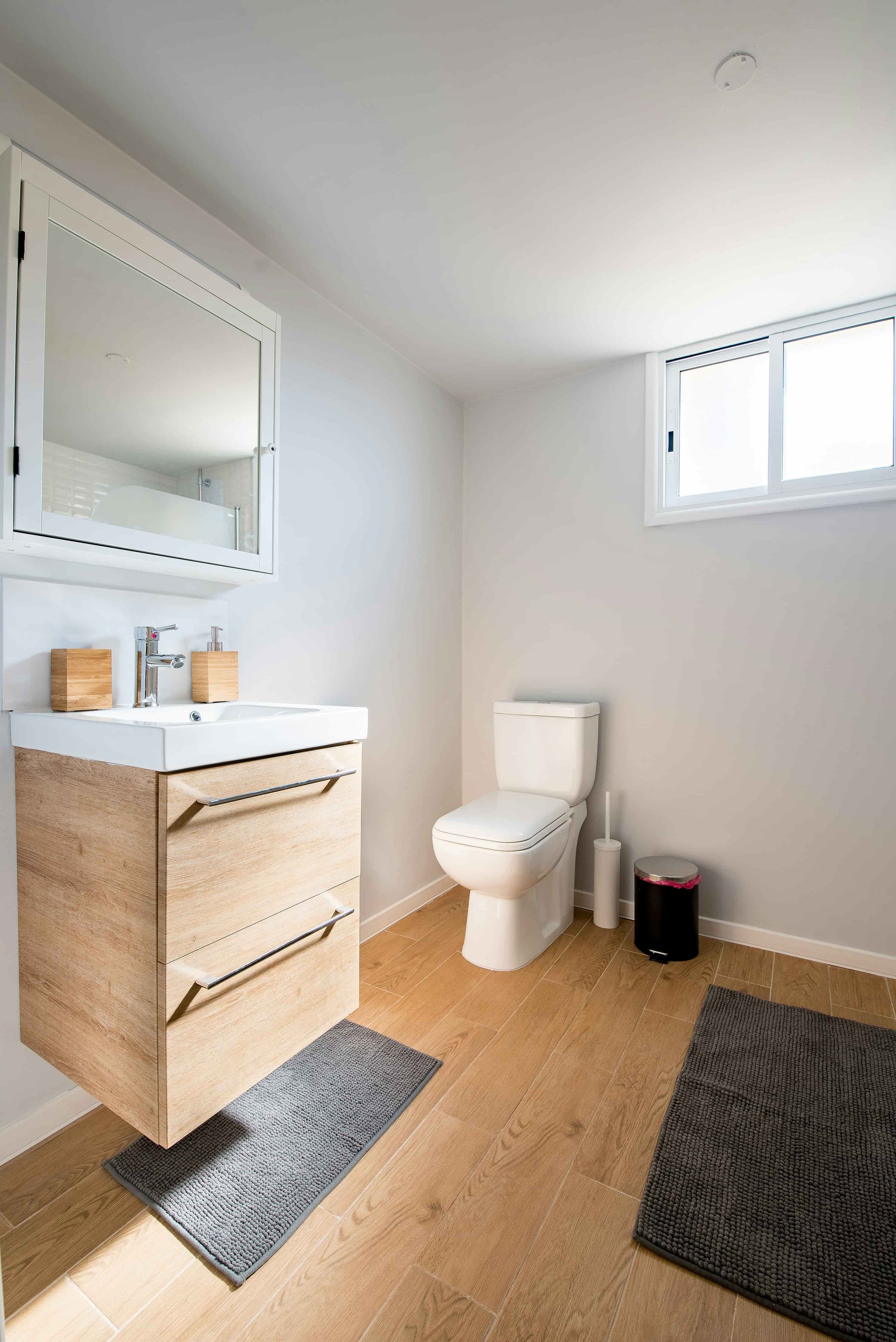
Photo by Filios Sazeides on Unsplash
Laminate is durable, affordable, and designed to mimic wood or stone—but it has one major weakness: water. Most laminate damage comes from over-wet cleaning, steam mops, or spills that are left to sit. The resin surface is protective, but the particle board core underneath behaves like a sponge.
Laminate must be cleaned with minimal moisture. When cleaned correctly, it lasts for years without issues. Keep reading to learn how to care for laminate safely, and without harming our planet.
Eco-friendly laminate care at a glance
Safe:
Barely damp soft cloth
Plant-based detergent
Laminate-specific cleaners
Baking soda paste
Not safe:
Excess water or wet mopping
Abrasive powders or scouring agents
Steel wool or Magic Erasers
Bleach or ammonia
Steam mops
Biggest risk:
Water reaching seams and swelling the core.
Key principle:
Damp is safe. Wet causes damage—always dry immediately.
What never to use on laminate
Laminate is printed paper sealed in resin over a wood-based core—so anything that scratches or adds moisture can cause permanent damage.
Abrasive cleaners and tools
Avoid:
Scouring powders
Steel wool
Abrasive pads
Melamine foam (Magic Erasers)
These can:
Scratch the resin surface
Create grooves that trap dirt
Expose or remove the printed layer
Leave dull, uneven patches that cannot be repaired
Laminate can’t be refinished—scratches are permanent.
Excessive water
This is the #1 cause of irreversible laminate damage.
Wet mopping floors:
Water seeps into plank seams
Core swells, boards cup or separate
Damage is permanent
If your cloth or mop can drip, it’s too wet.
Leaving water on countertops:
Moisture enters seams and edges
Causes bubbling or raised bumps
Steam mops:
Hot vapour penetrates seams faster
Many manufacturers void warranties over steam use
Harsh chemicals
Avoid:
Bleach – discolours laminate
Ammonia cleaners – dull the finish, cause yellowing
Acidic cleaners – dull the finish, often void warranties when used
Waxes/polishes – create sticky, hazy buildup. Laminate is designed to look good without polishing.
How to clean laminate safely & naturally
Daily cleaning: Damp cloth method
This works for most countertops and surfaces:
Dampen a soft, natural fibre cloth and wring thoroughly
Wipe the surface
Dry immediately with a clean cloth
For light grime: Add one drop of plant-based detergent. Follow with a clean damp wipe and dry.
Cleaning laminate floors
To mop properly:
Sweep/vacuum first
Lightly mist small sections with laminate cleaner or properly diluted plant-based detergent
Wipe with a barely damp mop
Dry any visible moisture immediately
Laminate floors need minimal moisture
Tip: If floors take more than 5 minutes to dry, your mop is too wet.
For stubborn stains: Baking soda paste
Mix baking soda with a few drops of water
Apply and gently rub with a soft cloth
Rinse and dry
Gentle enough for laminate, effective on food stains and residue.
Spot cleaning ink/marker stains:
Dab grain alcohol on affected area (never rub)
Rinse and dry thoroughly
Common laminate problems (and what to do)
Scratches
Scratches can’t be removed, only camouflaged:
Use laminate repair kits (wax pencils/paste)
Deep scratches may require plank or countertop section replacement
Prevent scratches by:
Using cutting boards in the kitchen
Installing felt pads under furniture
Lift and carry light furniture like end tables and chairs instead of dragging
Frequently dusting and vacuuming
Trimming pet nails
Swelling and bubbling (water damage)
Unfortunately, once laminate swells, it cannot be reversed:
Countertops may need section replacement
Floors may require plank replacement
Prevention is key:
Wipe spills immediately
Avoid wet mopping
Keep countertop seams sealed
Use mats under pet bowls
Reduce bathroom humidity
Address leaks promptly
Dull or hazy appearance
Common causes include product buildup, hard water, or waxes.
To fix:
Dampen a soft, clean cloth with grain alcohol
Apply to affected area
Follow with a clean water rinse and immediate drying
Peeling or delamination
Caused by moisture or age.
Small edge lifting can sometimes be re-glued.
Widespread peeling requires replacement.
Burn marks
Light burns may lighten with baking soda paste, but deep burns are permanent.
Floors: replace plank
Countertops: may require section replacement
Common questions about laminate care
Can I use a steam mop?
No, steam causes swelling and voids many warranties.
Is my flooring laminate or hardwood?
Laminate has layered construction and repeating patterns. Hardwood is solid wood throughout.
What’s the best cleaner?
A laminate-specific cleaner or plant-based detergent. Method matters more than the formula.
Can laminate be refinished?
No. The printed surface can’t be sanded.
How do I remove sticky residue?
Grain alcohol or a small amount of cooking oil, followed by a damp-cloth wipe and drying.
Is vinegar safe?
Vinegar is not recommended for cleaning laminate. Safer methods exist.
When to call a professional
A pro is helpful when:
Water damage is spreading
Planks or countertop sections need replacing
Stains won't lift with gentle methods
You're unsure how much moisture is safe
Sometimes replacement is more cost-effective than repair.
Professional and sustainable laminate cleaning in Toronto
I clean laminate surfaces using techniques designed to prevent water damage while restoring clarity and shine.
What’s included:
Proper damp-only cleaning
Safe stain removal
Immediate drying
Assessment of swelling, scratches, or wear
Clear advice on repair vs. replacement
Want laminate that looks great without risking moisture damage?