

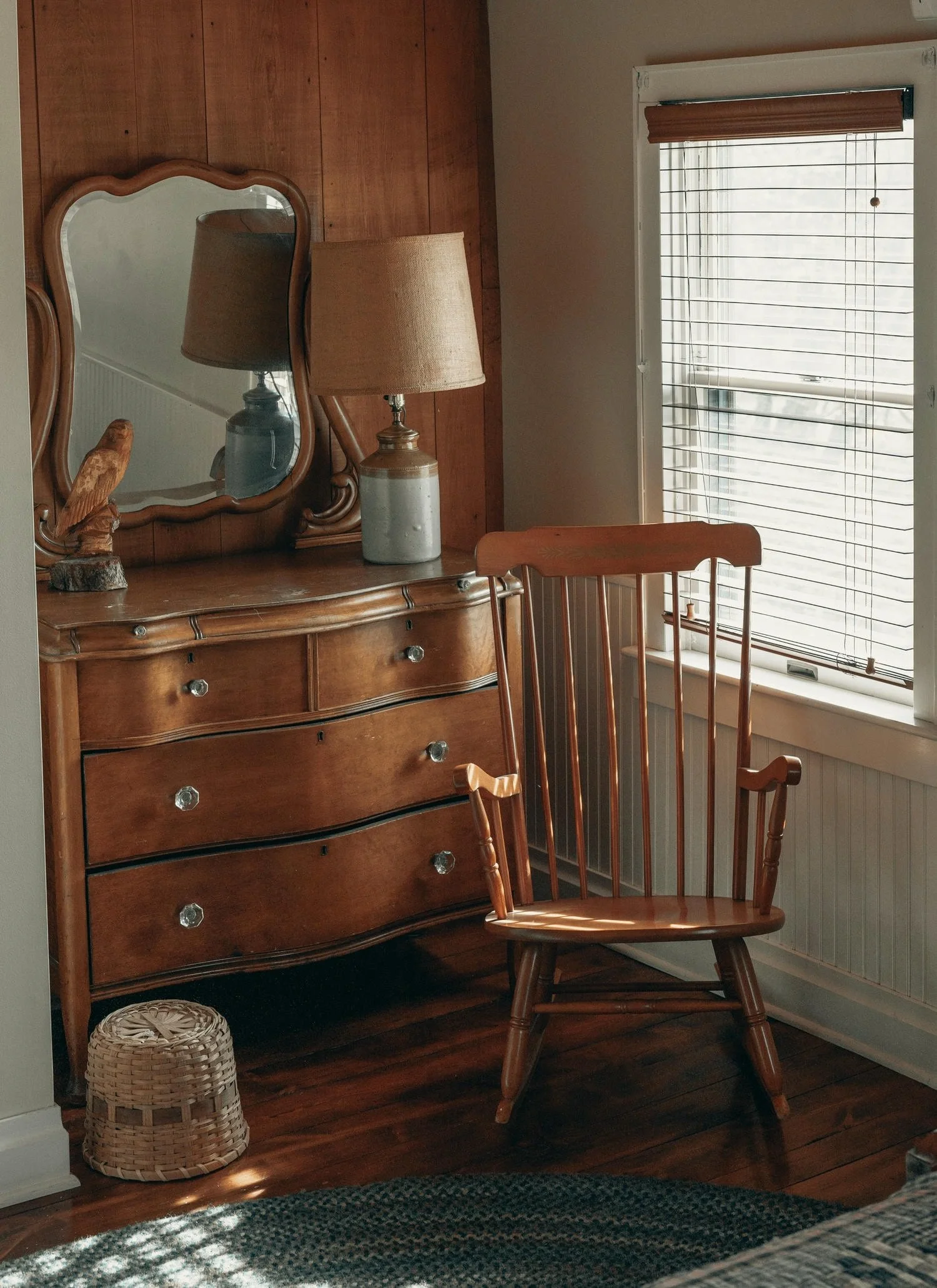
How to sustainably clean wood furniture without damage
Photo by Clay Banks on Unsplash
Wood furniture—dining tables, dressers, cabinets, desks—brings warmth, craftsmanship, and longevity into a home. Yet despite wood’s durability, wood finishes are far more delicate.
From cloudy buildup to worn-down patches, using the wrong products can have detrimental effects on wood’s protective finish. Once the finish is gone, the wood itself becomes much more vulnerable to even gentle cleaning methods.
The good news is that wood furniture is easy to maintain when you understand your finish type and how to use gentle, appropriate methods. Here’s how to keep your pieces beautiful using natural cleaning products.
Eco-friendly wood furniture care at a glance
Safe:
Soft natural-fibre cloths (dry or barely damp)
Small amount of natural, finish-appropriate polish (only when needed)
Plant-based solvents (for removing old product buildup)
Not safe:
Excess moisture
Lemon oil on finished wood
All-purpose cleaners
Abrasive pads or scrubbing tools
Steam
Biggest risk:
Water rings and moisture damage from wet cloths, cold drinks, or plant pots.
Key principle:
Dust regularly with a dry cloth—most wood needs almost no moisture.
What never to use on wood furniture
Wood furniture isn’t protected by the wood itself—it’s protected by the finish: polyurethane, lacquer, shellac, wax, or oil. If you damage the finish, you change the appearance of the furniture permanently.
These are the products and methods that cause the most harm:
Water and excessive moisture
Pooling water
Water that remains on a finished wood surface for any length of time can slip through tiny cracks in the finish, causing:
White rings
Cloudy patches
Warping or swelling
Raised wood grain
Even modern finishes are water-resistant, not waterproof. Be sure to dry them completely before walking away.
Leaving wet items on wood
Sweating glasses
Plant pots
Damp cloths
Steam cleaners
Use pressurized moisture
Generate heat that softens or lifts finish
Cause damage that cannot be reversed
Harsh chemicals
Ammonia-based cleaners
Cause:
Cloudiness
Dullness
Progressive finish breakdown
Bleach
Causes unpredictable discolouration and weakens wood fibres.
All-purpose cleaner
Too alkaline for wood; progressively weakens and strips the finish.
Unsuitable oils and polishes
Finished wood (polyurethane, lacquer) cannot absorb oil, so the oil sits on top, creating:
Sticky buildup
Dust-attracting residue
A cloudy, uneven appearance
Penetrating oils are only suitable for unfinished wood.
Cooking oils
Eventually turn rancid, attracting dust and creating sticky patches.
Overusing furniture polish
Spray polishes build up over time, dulling the finish.
Abrasive methods
Scouring pads, scrub brushes, steel wool
Scratch the finish permanently.
Melamine foam (Magic Erasers)
Sands down the finish, leaving visible dull patches.
Understanding wood finishes
Before you clean anything, you should know which type of finish you’re working with.
Polyurethane (most modern furniture)
Characteristics:
Hard, smooth coating
Water-resistant
Common on items made after 1970
Care:
Barely damp cloth
Minimal product use
Never oil-based conditioners
Lacquer
Characteristics:
Thin, glossy or satin finish
Sensitive to alcohol
Often found on mid-century modern pieces
Care:
Minimal moisture
Gentle buffing
Shellac
Characteristics:
Warm glow
Dissolves with alcohol
Common on antique furniture
Care:
Dry dusting
Very light cleaning only when needed
Avoid all alcohol products
Oil finish (tung, danish)
Characteristics:
Oil absorbed into the wood
Matte, natural look
Slightly textured feel
Care:
Dry dusting
Re-oil every 6–12 months
Wax finish
Characteristics:
Warm, soft sheen
Very water-sensitive
Traditional on antiques
Care:
Dry cloth
Periodic rewaxing
How to identify your wood furniture’s finish
Touch test
Smooth, glassy → polyurethane or lacquer
Soft, slightly waxy → wax
Natural texture visible → oil finish
Water drop test (hidden area)
Beads on surface → polyurethane/lacquer
Absorbs slowly → oil or unfinished
Turns white → wax or damaged finish
Age clues
Pre-1950: wax or shellac
1950–1970: often lacquer
After 1970: usually polyurethane
If you’re unsure about the type of finish, treat it as wax or shellac (the most delicate). Consider professional assistance with identifying the finish.
Safe, effective wood furniture cleaning
Daily dusting (all finish types)
The safest and most important routine care:
Use a soft clean cloth or flannel (dry)
Dust with the grain
Do this weekly or more for high-use items
Dust acts like sandpaper—letting it build up creates micro-scratches.
Light cleaning (polyurethane and lacquer)
When dry dusting isn’t enough:
Dampen a clean soft cloth with plain water.
Wring extremely well—cloth should be barely damp.
Wipe with the grain.
Immediately dry with a clean cloth.
If water can drip from the cloth, it’s too wet.
For oil-finished furniture
Routine:
Dry soft cloth
Occasional barely damp wiping, dried immediately
Maintenance:
Reapply oil every 6–12 months per product instructions
For wax-finished furniture
Routine:
Dry soft cloth only
Buff to restore shine
Maintenance:
Remove old wax with plant-based solvent
Reapply paste wax
Buff thoroughly
Wood furniture-specific problems
Water rings (white marks)
White rings mean moisture trapped in the finish, not in the wood. These are often fixable.
Method 1: Mayonnaise (excellent for fresh rings)
Apply a thin layer
Let sit 8–12 hours
Wipe and buff
How this works: The oil in the mayonnaise seeps into the finish and forces trapped moisture out, while re-conditioning the finish. The mild acidity of the mayonnaise helps break down the mineral deposits left by the trapped moisture.
Method 2: Baking soda + non-gel toothpaste
Mix equal parts
Rub gently with a soft cotton cloth in the direction of the grain
Wipe and dry immediately
The mixture acts as a mild abrasive to lift the stain without damaging the finish
Method 3: Gentle heat
Low setting on hair dryer
Keep moving
10–20 seconds at a time
The heat evaporates the trapped moisture
If the ring is dark, moisture has reached the wood itself. The surface requires refinishing.
Dark water stains
Not fixable with cleaning. Requires:
Sanding
Refinishing
Possible oxalic acid bleaching
Scratches
Light scratches:
Walnut meat
Wood-tone markers
Paste wax
Deep scratches:
Filler + sanding
Refinishing
Often best done professionally
Cloudy, dull, or sticky finish
Usually caused by:
Old lemon oil buildup
Layered furniture polish
Wax over polyurethane
Fix:
Wipe with mineral spirits to dissolve residue
Let dry
Clean and buff
If cloudiness remains, the finish is damaged.
Furniture polish: When and how to use it
Modern polyurethane rarely needs polish. Use sparingly—only for special occasions or antiques.
If using polish:
Apply to the cloth, never the furniture
Very thin layer
Buff dry
Simple natural polish recipe:
3 parts white vinegar
1 part jojoba oil
Mix well and apply sparingly
Protecting wood furniture
Use protective barriers
Coasters for every drink
Placemats and table pads
Felt pads under décor
Trivets for hot dishes
Table runners for daily protection
Environmental control
Maintain stable humidity (35–45%)
Avoid direct sunlight
Keep furniture away from heaters
Rotate décor to prevent uneven fading
When to call a Professional
Professional help is recommended when:
Water stains are dark
Finish is peeling or bubbling
Scratches penetrate the wood
Furniture is antique or valuable
You don’t know the finish type
Cloudiness remains after proper cleaning
Professional, sustainable wood furniture care in Toronto
I clean wood furniture in Toronto homes using methods that respect the finish and preserve long-term beauty. I know exactly how much moisture is safe and how to remove buildup without causing new damage.
If your wood furniture looks cloudy, dull, or scratched,