How to clean hardwood floors sustainably, without water damage or warping
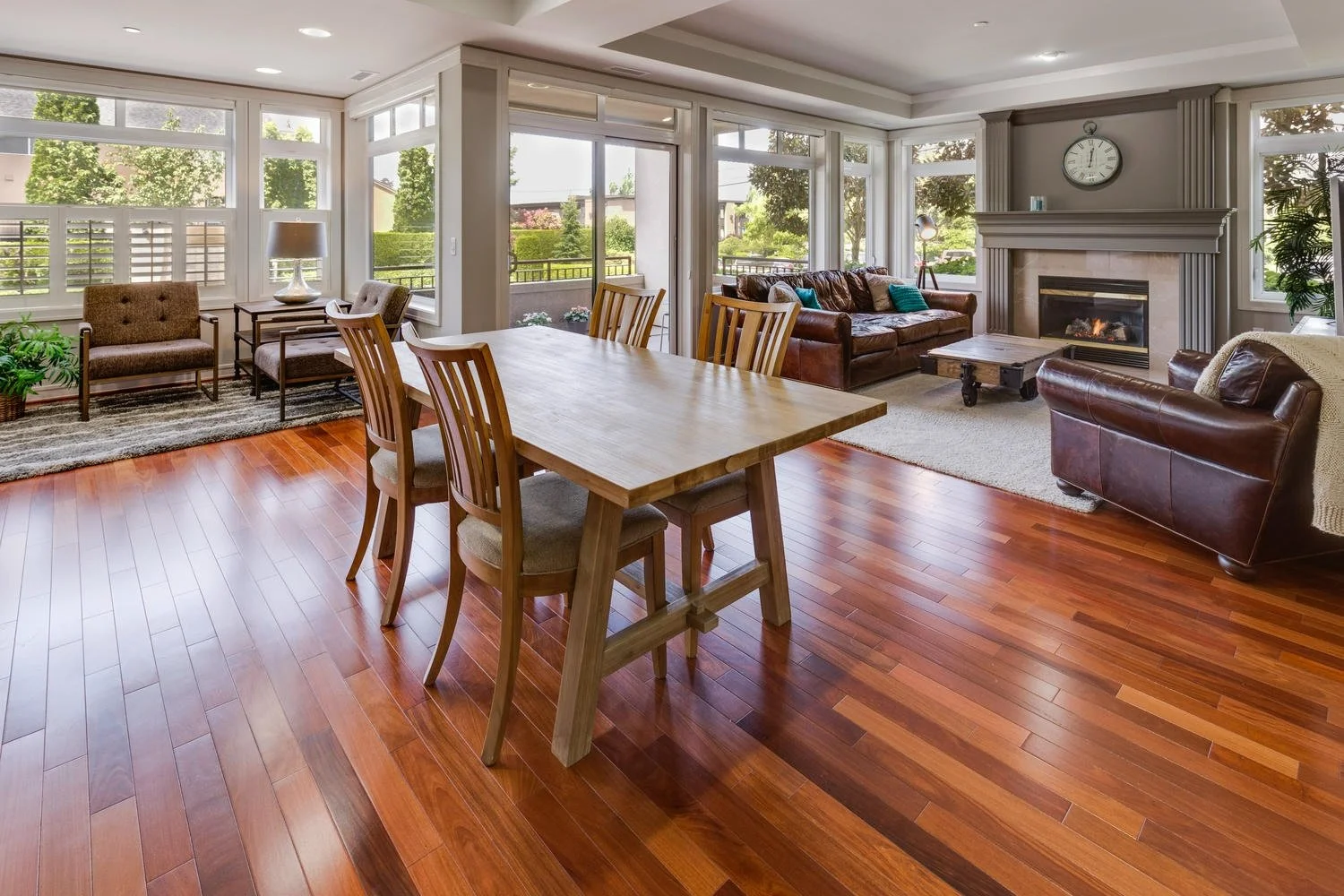
Photo by Francesca Tosolini on Unsplash
Hardwood floors are one of the most beautiful, long-lasting surfaces in a home—but they’re also surprisingly sensitive. Most people worry about scratches, but hardwood’s real enemy is water. Even small amounts of excess moisture can cause swelling, cupping, crowning, or warping that can only be fixed by sanding and refinishing.
Read on to learn how to care for hardwood floors—naturally, gently, and without harmful chemicals.
Eco-friendly hardwood floor care at a glance
Safe:
Barely damp, natural-fibre mop
pH-neutral wood floor cleaner
Vacuum with soft-bristle attachment
Not safe:
Wet mops
Steam mops
Excessive water
Vinegar or lemon juice
Ammonia
Bleach
Furniture polish, oils, or wax on polyurethane
Biggest risk:
Water seeping between boards leading to swelling, cupping, crowning, or warping.
Key principle:
If your mop drips, it's too wet for hardwood.
What never to use on hardwood floors
Hardwood floors are protected by a finish—not waterproofed by one. The finish resists surface moisture, but the wood underneath absorbs water readily. These are the products and methods that cause the most expensive and irreversible damage.
Water & excess moisture
Wet mops or soapy buckets
Water slips between boards, where it’s absorbed into the wood. This causes:
Cupping (edges rise)
Crowning (centre rises)
Warping or buckling
Cloudy finish
Long-term structural damage
Even if the floor looks fine while wet, warping often becomes visible days or weeks later.
Steam mops
Despite marketing claims, steam mops are one of the fastest ways to ruin hardwood floors.
Steam penetrates seams and finish
Heat accelerates absorption into the wood
Voids most hardwood warranties
Causes finish failure and board distortion
Soaking wet cloths or standing water
Standing water—even for just a few minutes—can leave lasting damage.
Rule of thumb:
A floor cleaned by a properly dampened cloth or mop dries in 60–90 seconds.
Harsh or incompatible cleaners
Ammonia, high-pH cleaners, or all-purpose sprays
These strip protective finishes and cause dullness, haziness, and premature wear.
Bleach
Unpredictably discolours wood
Damages finish
Dries out fibres
Vinegar
Acid gradually breaks down finish, leading to dull, dry, lifeless-looking floors.
Wrong products for polyurethane floors
Most modern hardwood floors have a polyurethane finish. These should never be cleaned or conditioned with:
Furniture polish
Oils
Oil soaps
Paste wax
They leave sticky films, attract dirt, become cloudy, and can be very difficult to remove.
Abrasive tools
Steel wool
Scouring pads
Magic Erasers
These remove finish and leave permanent dull patches.
Identifying floor finish
The care routine should depend on the type of finish the floor has.
Polyurethane (most common today)
Looks like: Clear, smooth, shiny or satin coating
Care:
Damp mop only
pH-neutral wood cleaner
Never use wax or oil
This is the easiest finish to maintain.
Oil-finished floors (danish oil, tung oil)
Looks like: Matte, natural wood appearance
Care:
Mostly dry cleaning
Very minimal moisture
Periodic re-oiling (every 6–12 months)
Wax-finished floors (older or heritage homes)
Looks like: Soft, low-sheen glow
Care:
Dust mop only
No water
Re-wax and buff periodically
How to tell which finish you have
Water drop test:
Beads on top → polyurethane
Slowly absorbs → oil finish or bare wood
Beads but looks slightly cloudy → wax
Safe, effective hardwood floor cleaning methods
Daily care: Dry dusting
Use a natural-fibre dust mop or a vacuum with a soft-bristle head.
Why this matters:
Dust and dirt act like sandpaper—scratching the finish with every step.
Frequency:
Daily in high-traffic areas
2–3 times weekly elsewhere
Weekly care: Barely damp mopping (polyurethane only)
Dust or vacuum thoroughly first.
Lightly mist a pH-neutral wood cleaner onto the floor or onto the mop head.
Mop with a wrung-out, barely damp mop.
Floor should dry in under 2 minutes.
Oil-finished floors
Dry dust mop only
Very lightly damp cloth only for spot cleaning
Re-oil surface periodically (manufacturer-dependent)
Wax-finished floors
Dust mop or buff only
Avoid all water-based cleaners
Common hardwood floor problems & natural solutions
Water rings and white marks
Water rings are the result of moisture trapped in the finish, not the wood.
Option 1: Gentle heat
Low heat from a hairdryer can evaporate trapped moisture.
Option 2: Oil displacement
A tiny amount of natural oil (like the oil from a walnut or jojoba oil) can help replace moisture in the finish.
Note: If the wood underneath is darkened, refinishing is required.
Scratches
Light scratches
Rubbing with walnut (the natural oils and meat from the walnut can repair and seal the scratches)
Wood-tone touch-up markers
Clear paste wax (only on waxed floors)
Deep scratches
Wood filler or spot refinishing
Professional sanding for best results
Some ways to prevent scratches: felt pads under heavy furniture, area rugs, trim pet nails frequently.
Dull or cloudy floors
Causes:
Wrong cleaners
Product buildup
Old wax on polyurethane
Fix:
Wipe with a cloth lightly dampened with mineral spirits to remove residue, then clean normally.
If still dull, finish may need refinishing.
Seasonal gaps between boards
Normal in Toronto winters due to dry indoor air.
Use humidifiers to keep indoor humidity around 35–45%.
Cupping, crowning, or warping
Always moisture-related.
Stop all water use immediately, identify the source, allow the boards to dry completely.
Severe cases require sanding or board replacement.
Engineered hardwood (special notes)
Engineered floors are more dimensionally stable but far more sensitive to water because the top wood layer is thin.
Follow manufacturer instructions closely.
When unsure, use even less moisture than you would on solid hardwood.
The bottom line on sustainable hardwood floor care
Hardwood is durable, but not tolerant of water. If you master one technique, make it this:
Wring your mop until it feels almost dry. If you can hold it over your head without water falling onto you, it’s safe for hardwood.
That single habit prevents the vast majority of hardwood damage—and keeps your floors looking immaculate.
Ready for floors that stay beautiful for decades?
If you want hardwood floors that look clean, healthy, and well-maintained—without the risk of water damage—the right professional care can make all the difference.
I use a minimal-moisture, environmentally responsible cleaning system designed specifically for Toronto homes and climate conditions. It keeps your floors protected, removes dulling buildup, and prevents the long-term damage I see from DIY methods.
Whether you need recurring maintenance or help bringing tired hardwood back to life,