How to sustainably clean upholstery without causing damage
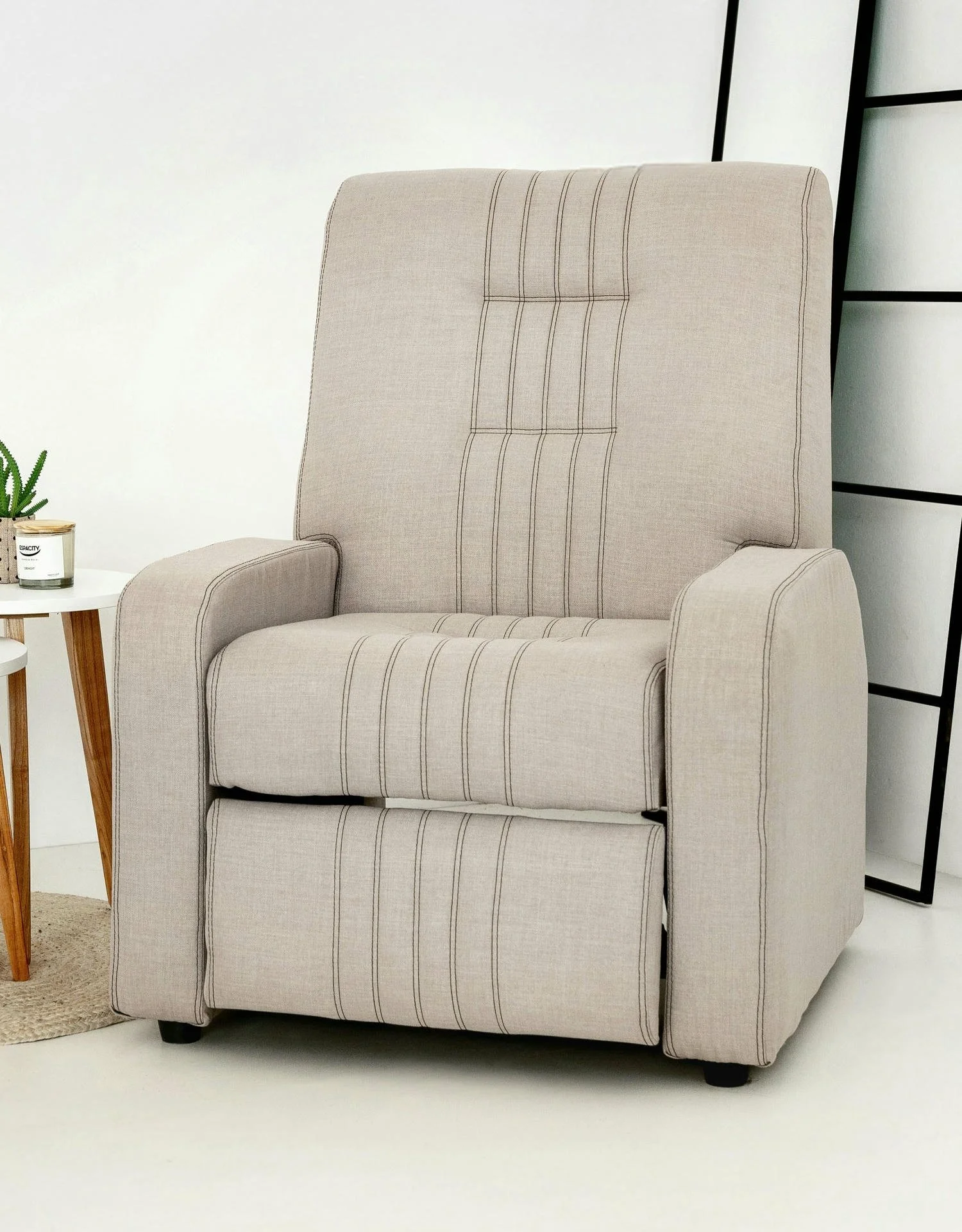
Photo by Costa Live on Unsplash
Upholstered furniture adds comfort and character to your home. The biggest threat to upholstery isn’t dirt. It’s moisture. The cause is nearly always the same: using too much water and ignoring the furniture’s cleaning code.
Upholstery cleaning codes exist to protect your furniture from damage, and following them makes the difference between keeping a beautiful piece for years—or ruining it in one afternoon. Here’s how to clean upholstery safely, using only natural products and tools.
Eco-friendly upholstery care at a glance
Safe:
Methods that match your cleaning code (W, S, SW, or X) using minimal water and plant-based products
Not safe:
Bleach, harsh chemicals, laundry detergent, oversaturation
Biggest risk:
Over-wetting (causes water stains, mould, mildew, and permanent damage)
Key principle:
The cleaning code determines how the item should be cleaned
What should never be used on upholstery
Upholstery consists of more than just the outer fabric—it includes the inner padding, batting, linings, springs, and framing. The wrong product can damage multiple layers at once.
Bleach
Strips colour
Weakens fibres
Can damage the foam and internal materials
Conventional carpet cleaners
Contain synthetic surfactants that leave residue
Designed for rinsable surfaces, not furniture
Make fabric attract dirt more quickly
Laundry detergents
Produce suds that cannot be rinsed out
Leave residue that stiffens fabric and attracts dirt
Excessive water
Soaks into padding
Causes mold/mildew
Leaves water rings
Can damage internal materials
Takes days to dry
Understanding upholstery cleaning codes
These codes are located on the furniture / fabric tags that are attached to them.
W = Water-based cleaning only
Use minimal moisture. Eco-friendly options include:
Plant-based detergent solution for routine cleaning
Diluted vinegar solution for stain treatment
Always apply cleaner to a clean soft cloth, not directly to the upholstery to avoid over-wetting.
S = Solvent-based cleaning only
Water can cause stains or damage.
Use a plant-based dry-cleaning solvent
Use solvents carefully and follow all manufacturer instructions—both for the cleaner and the upholstery.
Avoid getting solvent on any nearby materials that could be damaged by it.
SW / WS = Water and solvent safe
The most forgiving and DIY-friendly code.
I recommend starting with water-based cleaning methods, and only progressing to solvents if necessary.
X = Vacuum only
No water, no solvents.
Stains must be professionally cleaned.
D = Dry clean only
The entire piece should be professionally dry cleaned.
Eco-friendly cleaning methods
Blotting vs. dabbing
Blotting
Blotting is the process of pressing a clean cloth or towel straight down onto a spill to absorb liquid. You’re not rubbing or moving the cloth—just applying gentle, steady pressure and lifting.
Best for: Fresh spills, especially on fabric, carpet, upholstery, or leather.
Why it works: It pulls moisture up into the cloth without spreading the stain or damaging the surface.
Dabbing
Dabbing is a light tapping motion using the tip or edge of a cloth, usually while applying a small amount of cleaning solution.
Best for: Treating stains after excess liquid has already been blotted.
Why it works: It allows you to apply cleaner precisely and loosen the stain without pushing it deeper into the material.
Always blot or dab (never rub) upholstery, to avoid damaging the fibres and pushing stains deeper into the fabric.
For W-code upholstery (water-safe)
General spot cleaning
Use a solution of plant-based detergent (follow the manufacturer’s dilution instructions)
Vacuum thoroughly using a soft brush attachment.
Patch test in a hidden area—wait 24 hours.
Lightly dampen a clean, soft, natural fibre cloth with detergent.
Blot the affected area gently.
Rinse by dabbing with plain water.
Blot dry.
Food, grease & oils
Sprinkle baking soda over affected area.
Let sit for several hours (or overnight).
Vacuum.
Dab with plant-based detergent and a clean, soft cloth to remove remaining residue.
Dab with clean water to rinse.
Blot dry.
Beverage spills (coffee, tea, red wine)
Blot excess liquid immediately with a dry cloth.
Cover with baking soda.
Let sit for at least 15-30 minutes.
Vacuum.
Blot with plant-based detergent solution.
Dab with clean water to rinse.
Blot dry.
Pet urine
Follow the same procedure as a beverage spill.
Cover with baking soda for 8–12 hours.
Vacuum.
More effective: Use a plant-based enzyme cleaner (my personal recommendation)
Ink stains (use grain alcohol)
Always test a small, inconspicuous area of the fabric first to ensure the alcohol does not cause fading or damage.
Dampen a clean, white cloth with grain alcohol
Gently blot, working from the outer edges of the stain inward to prevent it from spreading.
As the cloth absorbs the ink, switch to a fresh, clean part of the cloth to avoid transferring the ink back onto the fabric.
Rinse with water to remove residue.
Blot dry.
For S-code upholstery (water-free solvents only)
General spot cleaning
Use a solution of plant-based detergent (follow the manufacturer’s dilution instructions)
Vacuum thoroughly using a soft brush attachment.
Patch test in a hidden area—wait 24 hours.
Lightly dampen a clean, soft, natural fibre cloth with solvent.
Blot the affected area gently.
Air dry.
Food, grease & oils
Sprinkle baking soda over affected area.
Let sit for several hours (or overnight).
Vacuum.
Dab with solvent and a clean, soft cloth to remove remaining residue.
Air dry.
Beverage spills (coffee, tea, red wine)
Blot excess liquid immediately with a dry cloth.
Cover with baking soda.
Let sit for at least 15-30 minutes.
Vacuum.
Blot with solvent.
Air dry.
Pet urine
Follow the same procedure as a beverage spill.
Cover with baking soda for 8–12 hours.
Vacuum.
Ink stains (200 proof grain alcohol)
Always test a small, inconspicuous area of the fabric first to ensure the alcohol does not cause fading or water damage.
Dampen a clean, white cloth with grain alcohol
Gently blot, working from the outer edges of the stain inward to prevent it from spreading.
As the cloth absorbs the ink, switch to a fresh, clean part of the cloth to avoid transferring the ink back onto the fabric.
Rinse with water to remove residue.
Blot dry.
In theory, 200 proof alcohol contains no water (it is 100% pure ethanol). However, because of its chemical properties—specifically that it readily absorbs moisture from the air—even commercial 200 proof grain alcohol (what I personally use) typically contains around 0.3% water.
If you have vintage or valuable S-Code upholstery, you may want to consider having ink stains removed by a professional dry cleaner to ensure a completely water-free process.
For SW/WS-code upholstery (water and solvent safe)
My recommendation:
Start with the W-Code treatments.
Switch to solvents if the water-based treatments aren’t effective.
Water-based treatments are generally less expensive and don’t pose as much risk to your health, which is why I suggest leading with those.
For X-code upholstery (vacuum only)
Safe methods:
Vacuum with a soft natural-bristle brush
Light brushing
Baking soda deodorizing (dry only)
Never use:
Water
Solvents
Steam
When to call a professional:
You have stained D-code or X-code furniture
The upholstery is expensive or delicate
Odours are deep-set and not being eliminated through the safe methods outlined above
There’s mould or mildew present
A large area needs cleaning
A spill penetrated into the padding
Professional eco-friendly upholstery care in Toronto
As part of my home cleaning services, I offer:
Upholstery code identification
Spot cleaning for W, S, SW/WS-coded upholstery
Enzyme odour treatments on W-coded upholstery
Safe upholstery vacuuming
Honest recommendations about when a specialist is needed
If you’re unsure how to clean your furniture naturally—or want a professional to assess the fabric safely,