
How to sustainably clean porcelain sinks, tubs & toilets without damaging
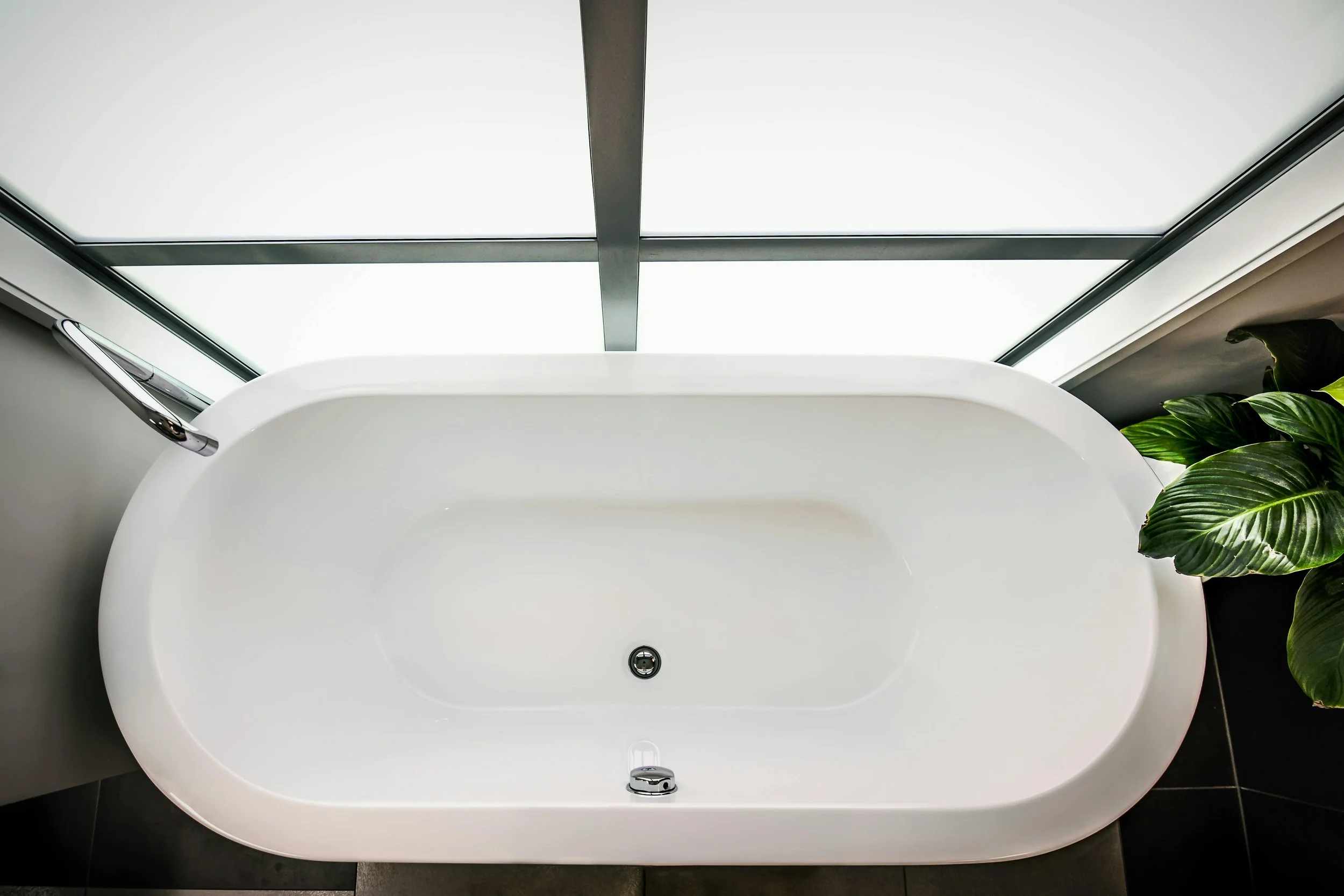
Photo by Krystal Black on Unsplash
Porcelain fixtures—sinks, tubs, toilets, and tile—are coated in a thin glass-like glaze that gives them their shine. Once that glaze is scratched or chemically damaged, the dullness is permanent.
The good news: porcelain stays bright for decades when cleaned gently with the right products. Read on to learn how to clean porcelain safely, using natural cleaning methods.
Eco-friendly porcelain cleaning at a glance
Safe:
Plant-based detergent
Baking soda
Hydrogen peroxide (3%)
White vinegar (limit contact time)
Lemon + salt (for rust)
Not safe:
Coarse abrasive powders
Steel wool
Pumice stones (except inside toilet bowls)
Harsh chemicals like oven cleaner, ammonia, or drain cleaners
Golden rule:
Protect the glaze—scratches trap dirt and make porcelain look dull permanently.
What never to use on porcelain
Porcelain may be strong, but its glaze is more delicate. These products can damage it:
Abrasive tools & powders
Harsh scouring powders not designed for porcelain (always check first)
Steel wool or metal scrubbers (metal filaments can imbed themselves in porcelain glaze, leading to rust stains)
These can scratch the glaze, creating dull patches that trap grime over time.
Harsh chemicals
Ammonia-based cleaners
Oven cleaner or caustic drain cleaner
Undiluted bleach left sitting for long periods
These can etch and discolour the glaze, damage nearby grout, and weaken caulking.
Safe, effective cleaning methods
Daily cleaning: Plant-based detergent & water
Use the correct dilution (as directed by the manufacturer) of detergent to warm water
Wipe with a soft, natural fibre cloth or non-abrasive sponge
Rinse and dry
This removes soap scum and oils without risking scratches.
Stains & buildup: Baking soda paste
Mix baking soda with water into a thick paste
Apply for 10–15 minutes
Wipe gently and rinse
Baking soda is mildly abrasive and ideal for regular use.
Hard water stains: White vinegar
Apply vinegar-soaked towels for 30–60 minutes
Remove, scrub gently, rinse, and dry
Avoid contact with grout and natural stone.
Tough organic stains: Hydrogen peroxide + baking soda
Spray 3% hydrogen peroxide
Sprinkle baking soda over it
Wait 15–30 minutes
Scrub gently and rinse
Great for yellowing, soap scum, and general discolouration.
Common porcelain problems
Rust stains
Use a paste of lemon juice + salt.
Apply for 30 minutes, scrub gently, rinse.
Yellowing
Use baking soda + hydrogen peroxide.
Let sit overnight (covered with parchment paper), then scrub and rinse.
Crazing (tiny glaze cracks)
Not fixable by cleaning.
Use only gentle methods and avoid thermal shock.
Dull or scratched porcelain
Scratches are permanent. Options:
Professional reglazing
Replacement
Gentle ongoing maintenance to prevent further wear
Porcelain care by fixture type
Sinks
Daily: Plant-based detergent + water
Weekly: Baking soda paste
Avoid harsher abrasives, especially on vintage sinks
Toilets
Weekly: Clean bowl using sustainable toilet-safe cleaners
Use a baking soda paste for exterior blemishes and a hydrogen peroxide paste for stains
Pumice stone should only be used on the inside of the bowl, and always used wet to prevent scratching the glaze
Tubs & showers
After each use: Wipe dry or squeegee
Weekly: Baking soda paste
Use a hydrogen peroxide paste for tougher stains
Tile
Sweep or vacuum regularly
Mop with a plant-based detergent solution
Use a baking soda paste for spot cleaning and hydrogen peroxide paste for stain removal
When to call a professional
Professional porcelain cleaning is helpful when:
You have vintage or decorative porcelain
Stains aren’t responding to gentle methods
There’s visible glaze damage
You’re unsure if discolouration is a stain or permanent wear
Eco-friendly porcelain cleaning in Toronto
I use sustainable, low-impact products (baking soda, hydrogen peroxide, vinegar, and plant-based detergent) to safely clean porcelain without damaging its glaze.
I’ll assess whether your fixture needs cleaning, restoration, or replacement, and I’ll always be honest about what’s fixable and what isn’t.
Want porcelain that shines without damage?